A House Cost $17,000 in 1970. Here's What That Number Actually Means Today.
A House Cost $17,000 in 1970. Here's What That Number Actually Means Today.
In 1970, the median price of a new home in the United States was approximately $17,000. The median household income that same year was around $8,700. That means the average American family needed roughly two years of total household income to buy a median-priced home.
Fast forward to 2024. The median home price in America has crossed $400,000. Median household income sits at around $74,000. That's now more than five years of income to buy a comparable home — and in many major metro areas, the math is far worse than that.
Something fundamental changed. And it wasn't just inflation.
The $17,000 House in Context
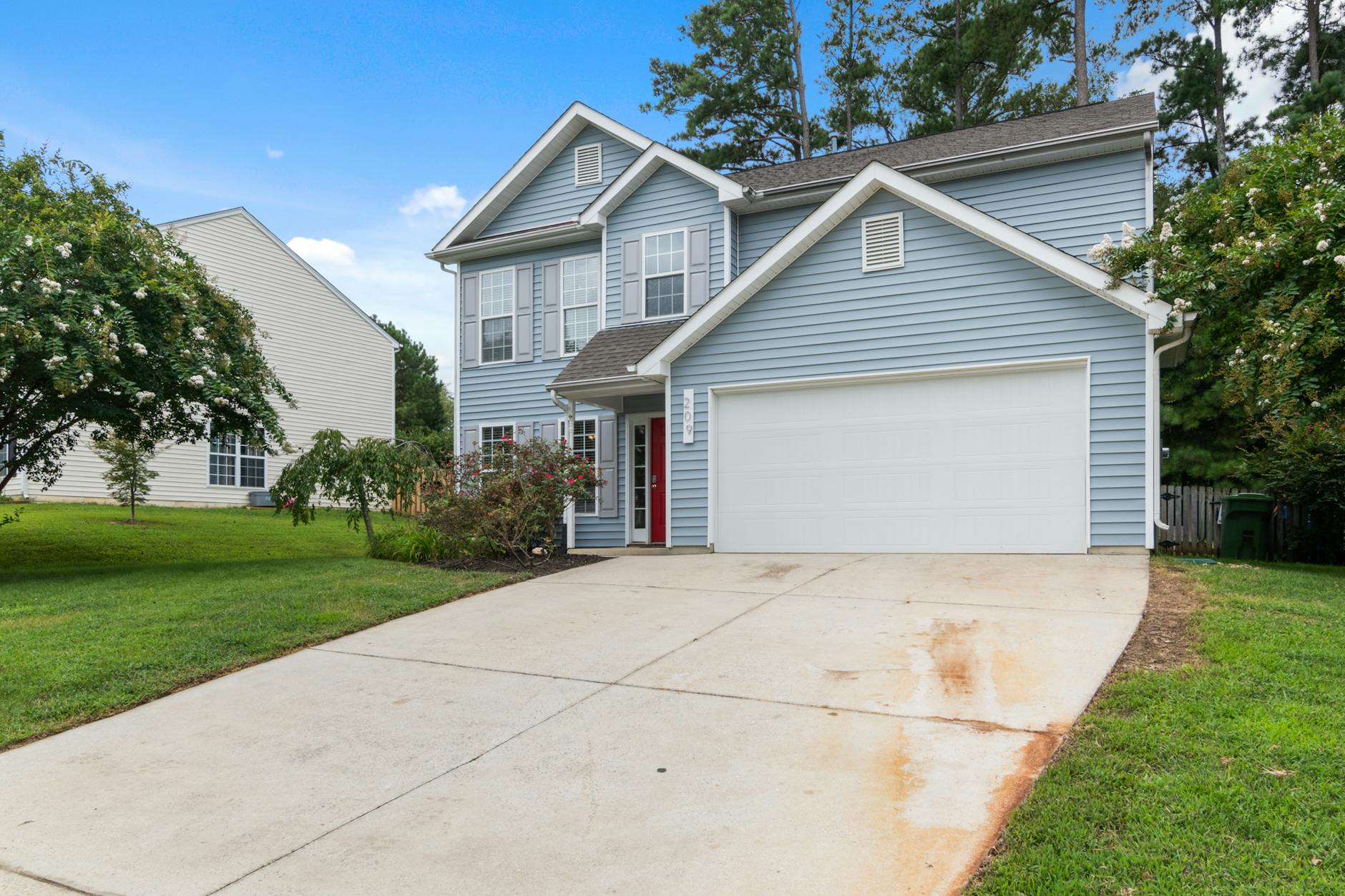
Before we get too nostalgic, let's be honest about what $17,000 actually bought in 1970. It wasn't a sprawling suburban estate. The typical new home of that era was a modest three-bedroom, one-bath house of around 1,400 square feet — no central air conditioning in most cases, a single-car garage if you were lucky, and a kitchen that would look cramped by contemporary standards.
But here's what it did come with: accessibility. A single income — often from a blue-collar job — was frequently enough to qualify for the mortgage. Down payments were meaningful but manageable. Monthly payments on a 30-year fixed mortgage at early 1970s rates, on a $17,000 home, ran somewhere in the neighborhood of $100 to $120 per month. For a household earning $8,700 a year, that was stretching but achievable.
Adjusting for inflation alone, that $17,000 home should cost roughly $130,000 to $140,000 today. The fact that it actually costs three times that amount tells you that something beyond general price increases is at work.
How Housing Became an Investment Class
For most of American history, a home was understood primarily as a place to live. Its value mattered, but it wasn't the point. The financialization of housing — the process by which residential real estate became a primary investment vehicle for millions of households — accelerated dramatically from the 1980s onward.
Several forces converged to drive this shift. The Tax Reform Act of 1986 preserved and strengthened the mortgage interest deduction, essentially subsidizing homeownership through the tax code and reinforcing the message that buying was always better than renting. Rising home values throughout the 1980s and 90s rewarded homeowners handsomely and created a self-reinforcing belief that real estate was a reliable path to wealth accumulation.
Institutional investors entered the single-family home market in a serious way following the 2008 financial crisis, snapping up distressed properties at scale and converting them to rentals. By the 2010s, companies and investment funds owned hundreds of thousands of single-family homes — assets that might otherwise have gone to first-time buyers.
Zoning laws, particularly in high-demand coastal cities, restricted new housing supply even as population and demand grew. The result was a market where the fundamental economics of supply and demand pushed prices consistently upward, rewarding those who already owned property and raising the barrier for those who didn't.
The Geography of Affordability Then and Now
In 1970, affordable homeownership was geographically widespread. You could buy a decent house in a functioning community in almost any region of the country on a middle-class income. The Midwest, the South, the Mountain West — housing markets in these regions were accessible to working families in a way that feels almost quaint by today's standards.
That geographic spread has narrowed significantly. The most affordable housing markets today are concentrated in areas with weaker job markets, aging infrastructure, or challenging climates — places where affordability often reflects economic distress rather than opportunity. The places where jobs are plentiful and economic growth is strong — the Bay Area, New York, Boston, Seattle, Austin, Denver — have seen home prices detach almost entirely from local median incomes.
A tech worker earning $150,000 a year in San Francisco still faces a market where median home prices exceed $1.2 million. In 1970, a well-paid professional in a major city could buy a home in that city. Today, that same professional in many markets is priced out of ownership entirely, or forced into hour-long commutes to find anything remotely affordable.
What It Actually Means for Younger Americans
The numbers have real human consequences that statistics alone don't fully capture. Millennials — now in their late 20s to early 40s — have a homeownership rate significantly lower than previous generations at the same age. That gap isn't primarily a matter of preference or priorities, despite some of the cultural narratives that have been built around avocado toast and urban apartment living. It's a math problem.
The down payment on a median-priced home today requires years of dedicated saving for a household earning a typical income. Student loan debt, which barely existed as a mass phenomenon in 1970, now competes directly with savings capacity. And the rent-versus-buy calculation in many markets has shifted so dramatically that renting — once considered a financial consolation prize — is now genuinely competitive with ownership in high-cost cities, at least in the short term.
What's perhaps most significant is the wealth effect. In 1970, a family that bought a home was making a housing decision. A family that bought a home in San Jose in 1985 or Austin in 2005 was, in retrospect, making one of the best financial decisions of their lives — not because they were smart, but because they were there at the right moment. The people who weren't — who were too young, who couldn't scrape together a down payment, who lived in the wrong city — missed a wealth-building window that may not reopen in the same way.
A Different Kind of American Dream
The $17,000 house of 1970 was never perfect. It was modest, often located in communities with serious inequities, and accessible to far fewer people than the mythology of postwar prosperity suggests. Redlining and discriminatory lending practices meant that the wealth-building benefits of homeownership were systematically denied to Black Americans and other minority communities throughout this era.
But the underlying idea — that a working American family could buy a home, build equity over time, and pass something tangible on to their children — was achievable for a broader slice of the population than it is today. The transformation of housing from a basic human need into a financial asset has made some people genuinely wealthy. It has also made the most fundamental version of stability — a place that is yours — harder to reach for millions of Americans who are working just as hard as their grandparents did.
That's not just a housing story. It's a story about what kind of country we're building.