How different things really used to be

The Now & Then

How different things really used to be

Latest Articles

When Kids Actually Got Bored: The Lost Art of Doing Nothing All Summer
Health

When Kids Actually Got Bored: The Lost Art of Doing Nothing All Summer

Modern parents schedule every minute of summer break, but previous generations understood something we've forgotten: boredom isn't the enemy of childhood development—it's the engine. Unstructured time taught kids skills that no camp or class could provide.

The Soda Fountain Where Everyone Knew Your Name: America's Lost Community Center
Health

The Soda Fountain Where Everyone Knew Your Name: America's Lost Community Center

Before social media and coffee shops, the neighborhood drugstore soda fountain served as America's original social network. These marble-countered gathering spots were where entire communities connected over ice cream sodas and cherry Cokes.

The Day the Whole Street Showed Up: When Americans Actually Knew Their Neighbors
Travel

The Day the Whole Street Showed Up: When Americans Actually Knew Their Neighbors

Block parties once required city permits because entire neighborhoods would shut down streets for communal celebrations. Today, most Americans can't name three neighbors, marking one of the most dramatic social shifts in modern history.

Letters From the Woods: When Kids Disappeared for Two Months and Nobody Panicked
Health

Letters From the Woods: When Kids Disappeared for Two Months and Nobody Panicked

For generations, American children vanished into summer camps for eight weeks with nothing but weekly letters connecting them to home. Today's camps offer live video feeds and instant updates — but something profound was lost when we made childhood separation impossible.

Must-See TV Was Actually Must-See: When America Watched the Same Show at the Same Time
Travel

Must-See TV Was Actually Must-See: When America Watched the Same Show at the Same Time

Before streaming and DVRs, American families organized their entire week around rigid TV schedules. Missing your show meant missing it forever — and that scarcity created a shared cultural experience that infinite choice has never replicated.

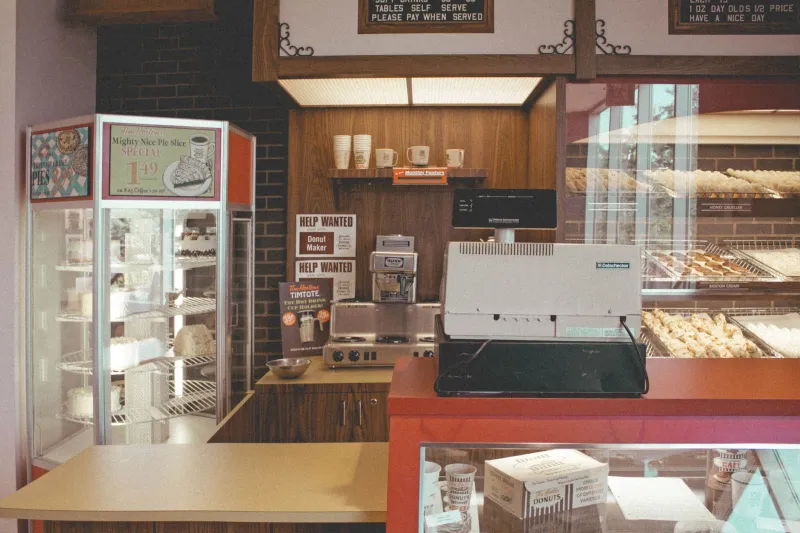
Help Wanted: When Getting Hired Meant Looking Someone in the Eye
Finance

Help Wanted: When Getting Hired Meant Looking Someone in the Eye

Before algorithms and applicant tracking systems, Americans found jobs by walking into offices with a resume and a handshake. The transformation from human conversation to digital void reveals how we've mechanized one of life's most important connections.

Your Great-Grandmother's Recipe Box Was a Time Machine—Now We're All Just Googling 'How to Make Bread'
Travel

Your Great-Grandmother's Recipe Box Was a Time Machine—Now We're All Just Googling 'How to Make Bread'

Before Pinterest boards and food blogs, American families passed down their culinary heritage through smudged, handwritten recipe cards that carried stories, memories, and hard-won kitchen wisdom. These weathered index cards were more than instructions—they were edible family history.

When Your Neighborhood News Carrier Knew Your Morning Routine Better Than Any Algorithm
Health

When Your Neighborhood News Carrier Knew Your Morning Routine Better Than Any Algorithm

Before smartphones and push notifications, American mornings were anchored by a simple ritual: the paperboy who knew exactly when you'd emerge for your daily dose of news. This predictable dance between neighbors created something modern news feeds can't replicate—genuine community rhythm and shared understanding.

When the Hardware Store Guy Could Fix Your Problem Before You Finished Explaining It
Finance

When the Hardware Store Guy Could Fix Your Problem Before You Finished Explaining It

American neighborhoods once had walking encyclopedias of practical knowledge working behind hardware store counters—tradesmen who could diagnose your home repair disaster in thirty seconds and hand you exactly the right solution. Now we're all amateur detectives piecing together fixes from conflicting YouTube videos and customer reviews.

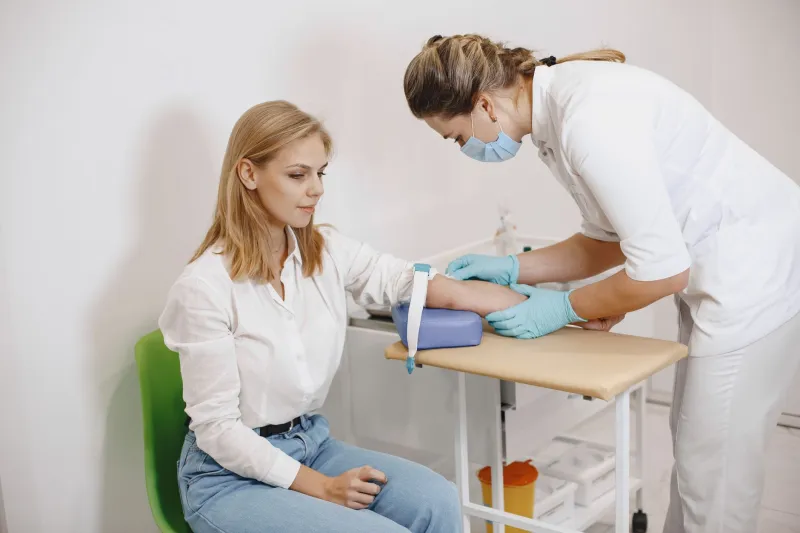
The Doctor Who Knew Your Name: When Healthcare Was Personal, Slow, and Actually Healing
Health

The Doctor Who Knew Your Name: When Healthcare Was Personal, Slow, and Actually Healing

Before urgent care and telehealth, Americans had one doctor who delivered babies, treated broken bones, and held your hand when you were dying. The appointment took three weeks to get, but lasted an hour. Here's what we lost when healthcare got fast.

The 6 AM Bicycle Brigade: When American Kids Ruled Their Own Neighborhoods
Health

The 6 AM Bicycle Brigade: When American Kids Ruled Their Own Neighborhoods

In 1975, a typical 10-year-old had a five-mile radius of unsupervised freedom. Today's kids can barely walk to the corner store alone. How America transformed childhood from an adventure into an appointment.

When Your Word Was Worth More Than Paper: How America Stopped Trusting Handshakes
Finance

When Your Word Was Worth More Than Paper: How America Stopped Trusting Handshakes

For decades, American business ran on handshakes, reputation, and a man's word. Today, downloading a simple app requires more legal documentation than buying a house used to. Here's how we went from trust-first to lawyer-first commerce.

The Mail-Order Revolution That Built Modern America
Finance

The Mail-Order Revolution That Built Modern America

Before Amazon, there was Sears. The catalog didn't just sell products — it democratized consumption and transformed American commerce in ways that make today's e-commerce revolution look like a gentle evolution.

When Americans Stayed Put: The Lost Art of Living Where You're From
Travel

When Americans Stayed Put: The Lost Art of Living Where You're From

Your grandfather was born, worked, and died within a 20-mile radius — and he wasn't considered limited. He was considered normal. How did staying home become the exception instead of the rule?

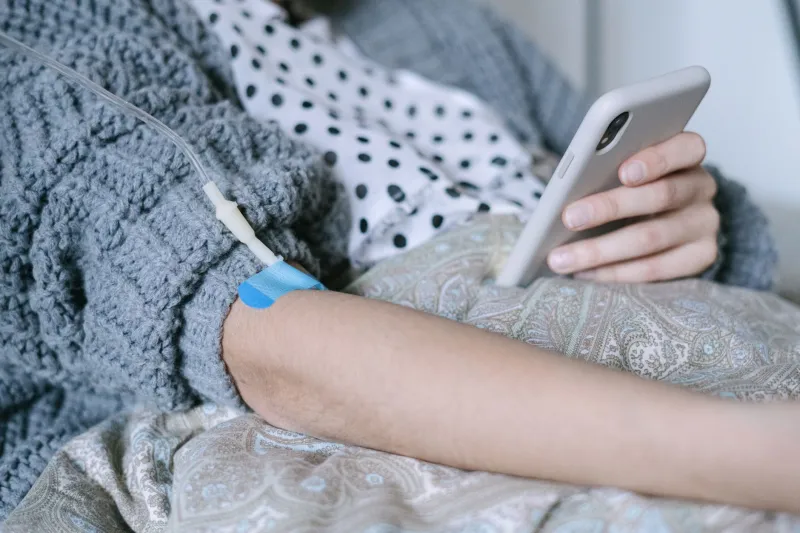
When Being Sick Meant Actually Being Sick: How America Forgot How to Rest
Health

When Being Sick Meant Actually Being Sick: How America Forgot How to Rest

Your grandfather called in sick and disappeared for three days — no emails, no check-ins, just pure recovery. Today we answer Slack messages from our deathbeds and feel guilty about it.

When Your Milkman Was Your Financial Advisor: The Personal Touch America Traded for Convenience
Finance

When Your Milkman Was Your Financial Advisor: The Personal Touch America Traded for Convenience

The milkman who left bottles on your porch knew your family's routines, financial situation, and personal preferences. Today's delivery algorithms know your data but nothing about your life.

From Fountain Pen Flourishes to Fingerprint Scans: How America Stopped Signing Its Name
Finance

From Fountain Pen Flourishes to Fingerprint Scans: How America Stopped Signing Its Name

Your signature once took years to perfect and could make or break major life decisions. Now most Americans can barely write their own name, and machines have taken over the job of proving who you are.

The Encyclopedia Set That Cost Three Paychecks: When Learning Required Physical Labor
Health

The Encyclopedia Set That Cost Three Paychecks: When Learning Required Physical Labor

American families once spent thousands on 24-volume encyclopedia sets that kids actually used for homework. Today's instant access to information has transformed how students learn, but something fundamental may have been lost in the process.

When Seeing a Heart Specialist Meant Moving States: The Geography of Getting Sick in 1960s America
Health

When Seeing a Heart Specialist Meant Moving States: The Geography of Getting Sick in 1960s America

Before medical networks and telemedicine, your zip code determined your survival chances. Getting to a specialist often required packing up your life and hoping for the best.

From Cash on the Hood to 84-Month Payment Plans: How Americans Stopped Owning Their Cars
Finance

From Cash on the Hood to 84-Month Payment Plans: How Americans Stopped Owning Their Cars

Your grandfather walked into a Chevy dealership with $2,400 cash and drove home with a car he fully owned. Today's car buyers sign seven-year loans for vehicles that charge monthly fees for features already built into the car.