The Road Trip That Could Kill You: How Driving Coast to Coast Went From Ordeal to Adventure
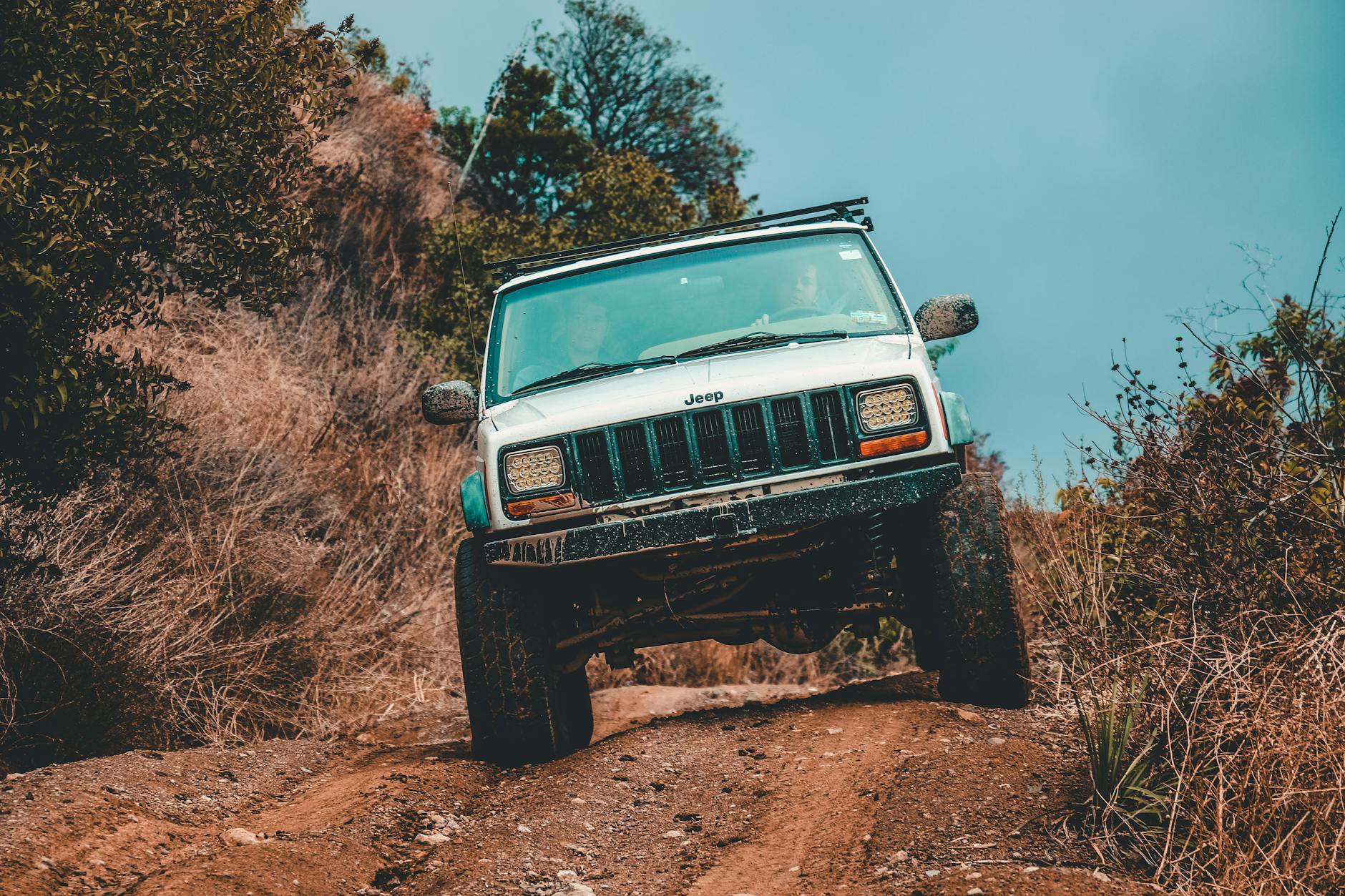
The Road Trip That Could Kill You: How Driving Coast to Coast Went From Ordeal to Adventure
Picture this: you've just left New York City in the summer of 1923. Your car is packed, your spirits are high, and you've got roughly 2,800 miles of American landscape between you and Los Angeles. Simple enough, right?
Not even close.
What awaited early cross-country drivers wasn't a road trip in any sense we'd recognize today. It was closer to an expedition — the kind that required spare parts, shovels, and a willingness to sleep in a field when things went sideways. Which they frequently did.
The Road That Barely Existed
Before the Federal Aid Highway Act of 1956 created the interstate system we know today, American roads were, in most places, an absolute mess. Outside of major cities, paved roads were a luxury. The Lincoln Highway — the country's first transcontinental route, established in 1913 — was promoted as a great leap forward in American infrastructure. And compared to what came before it, it was. But stretches of it were still unpaved dirt tracks that turned to impassable mud after rain and blinding dust clouds in dry heat.
Drivers in the 1920s weren't just navigating roads. They were negotiating with them.
A cross-country journey in that era typically took three to four weeks — if things went reasonably well. Many travelers budgeted for longer. Getting stuck in sand dunes in the Nevada desert wasn't unusual. Neither was losing the road entirely, because road signs were inconsistent at best and nonexistent at worst. Early motorists often followed painted telephone poles or small cairns left by previous travelers to stay on track.
Let that sink in: people navigated thousands of miles of unfamiliar terrain by looking for rocks stacked by strangers.
Fuel, Food, and a Whole Lot of Hope
Gas stations as we know them didn't really exist yet. Fuel was sold in general stores, pharmacies, and hardware shops — if it was sold at all in rural areas. Savvy travelers carried extra cans of gasoline strapped to the running boards of their cars, because running dry in the middle of Wyoming wasn't a minor inconvenience. It was a genuine crisis.
Food and shelter weren't much easier to come by. The motel industry was in its infancy. Most travelers either camped roadside — which gave rise to the term "auto camping" or "autocamping," a genuine craze of the era — or relied on the hospitality of local families willing to rent out a spare room. There were no chains, no predictable pricing, no Yelp reviews to consult. You knocked on a door and hoped for the best.
Breakdowns were practically guaranteed. Tires in the 1920s were fragile by modern standards, and drivers on rough terrain could expect multiple flat tires over the course of a long journey. Mechanical failures were common enough that many early road-trippers brought basic tools and knew how to use them. The AAA — founded in 1902 — was already operating, but roadside assistance in remote areas was limited at best.
What Changed Everything
The transformation didn't happen overnight, but a few pivotal moments reshaped American road travel entirely.
President Eisenhower's Interstate Highway System, signed into law in 1956, was the single biggest turning point. Inspired partly by the German Autobahn he'd encountered during World War II, Eisenhower envisioned a network of high-speed, standardized roads connecting the entire country. Over the following decades, more than 40,000 miles of interstate highway were built. Travel times collapsed.
Today, a driver leaving New York City can realistically reach Los Angeles in about 40 to 45 hours of driving time — typically spread across four or five days at a comfortable pace. That's not weeks. That's a long weekend if you push it.
The supporting infrastructure grew alongside the roads. Gas stations became ubiquitous, then predictable, then competitive. The motel industry exploded in the 1950s and 60s, giving travelers reliable, affordable places to stop. Fast food chains followed, planting themselves at highway exits with almost military precision.
And then came GPS.
It's hard to overstate what satellite navigation did for the road trip experience. The anxiety of getting lost — a constant companion for early travelers — essentially evaporated. Today, a driver with a smartphone can reroute around traffic in real time, find the nearest charging station, read reviews of a diner three exits ahead, and know their precise arrival time down to the minute. The 1923 traveler navigating by painted telephone poles would find this genuinely incomprehensible.
Same Country, Different World
There's something worth pausing on here. The distance between New York and Los Angeles hasn't changed. The landscape is largely the same. But the experience of crossing it has been so thoroughly transformed that the two journeys barely share a category.
Early road-trippers were adventurers in a real sense — people who accepted significant physical risk and genuine uncertainty as the price of seeing their country. Modern road-trippers deal with traffic, rest stop coffee, and the occasional argument over the playlist.
Neither experience is wrong. But it's worth remembering, next time you merge onto an interstate with a full tank of gas and turn-by-turn directions already loaded, that the open road wasn't always so welcoming. For a long time, it pushed back.