The Sacred Recipe Box
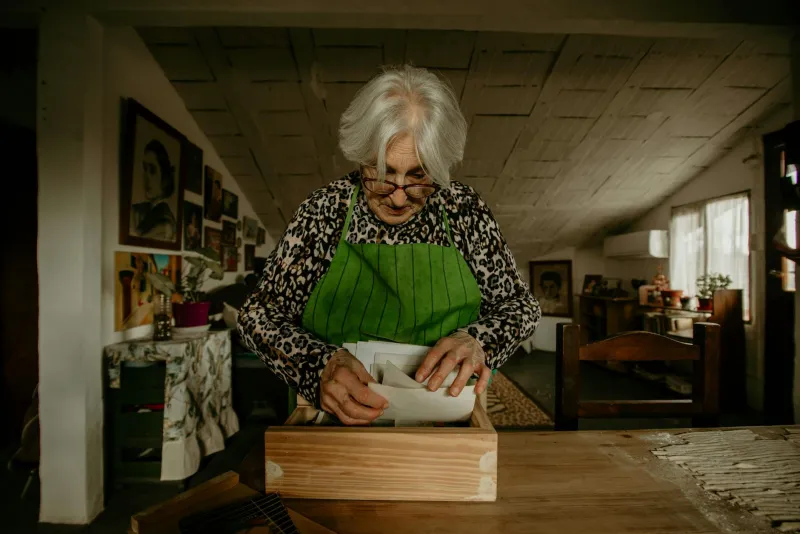
In the corner of Helen Kowalski's kitchen counter, between the sugar canister and the coffee tin, sat a wooden recipe box that her daughter Carol inherited in 1987. Inside, yellowed index cards bore the careful cursive handwriting of three generations of Polish-American women, each recipe card a small autobiography written in measurements and modifications.
 Photo: Carol, via static1.moviewebimages.com
 Photo: Helen Kowalski, via freight.cargo.site
"Add extra paprika—Dad likes it spicy," read a note scrawled in the margin of the pierogi recipe. "Don't forget the secret ingredient!" appeared on the Christmas cookie card, with an arrow pointing to "1 tsp vanilla extract" underlined twice. The chocolate cake recipe bore coffee stains and flour fingerprints, evidence of countless birthday celebrations and Sunday dinners.
These weren't just cooking instructions—they were family documents as important as birth certificates, carrying forward the tastes, traditions, and hard-earned kitchen wisdom of women who learned to cook by watching, helping, and occasionally burning dinner.
The Apprenticeship System of American Kitchens
Learning to cook in 1965 meant standing beside your mother, grandmother, or aunt as they prepared meals, absorbing not just ingredients and techniques but the subtle art of adjustment that no cookbook could teach. "Cook until it looks right," "add flour until the dough feels smooth," "season to taste"—these vague instructions made perfect sense when you'd watched the process dozens of times.
Young women (and occasionally young men) served informal apprenticeships in their family kitchens, learning that cooking was as much about intuition and adaptation as it was about following directions. They discovered which recipes could survive ingredient substitutions and which demanded precision, knowledge that came only through trial and error under the guidance of someone who'd already made those mistakes.
The handwritten recipe card system created natural quality control, too. Recipes that produced terrible results simply disappeared from circulation, while successful dishes earned their place through repeated use, evidenced by the splattered and worn condition of their cards. The most treasured recipes bore the battle scars of countless family gatherings.
The Stories Between the Lines
Every handwritten recipe card told multiple stories. The ingredients list revealed economic realities—how families stretched expensive items like meat and made satisfying meals from affordable staples. The modifications showed family preferences and dietary restrictions long before anyone talked about "customization" or "personalization."
"Use margarine instead of butter—cheaper" appeared on Depression-era cards. "Jimmy's allergic to nuts—leave them out" marked recipes adapted for family members. "This was Grandpa's favorite" turned simple dishes into memorial meals, ways of keeping loved ones present at the dinner table long after they'd passed away.
The physical condition of recipe cards provided their own information. Cards splattered with tomato sauce had clearly produced successful pasta dinners. Cake recipes with frosting smears had survived countless birthday celebrations. The most worn cards represented the family's greatest hits—dishes so beloved they'd been prepared hundreds of times.
When Cooking Required Commitment
Preparing a meal in the pre-internet era demanded real commitment. Once you started following a recipe, you were locked in. If you realized halfway through that you were missing an ingredient, you couldn't simply Google "substitute for cream of tartar." You had to improvise, call a neighbor, or start over.
This limitation forced American home cooks to develop genuine kitchen skills. They learned to taste and adjust seasonings, to recognize when bread dough had been kneaded enough, to judge doneness without relying on precise temperatures and timing. Cooking became a craft requiring patience, practice, and accumulated wisdom.
Recipe cards also demanded advance planning. Sunday dinner meant Saturday preparation, checking ingredients, and sometimes multiple grocery store trips. The ritual of planning meals created its own satisfaction—the anticipation of family gathered around dishes that required time, effort, and genuine care to prepare.
The Democracy of Digital Recipes
Today's home cooks have access to millions of recipes from professional chefs, food bloggers, and cooking enthusiasts worldwide. YouTube tutorials provide step-by-step visual guidance that no written recipe card could match. Ingredient substitution guides solve problems that once required kitchen intuition or phone calls to experienced relatives.
This democratization of culinary knowledge has genuinely improved home cooking for many Americans. Dietary restrictions that once meant eating the same few "safe" dishes can now be accommodated with countless alternatives. Regional cuisines that were previously inaccessible have become weeknight possibilities.
Modern recipe platforms also provide something handwritten cards couldn't: instant feedback from thousands of other home cooks. Reviews, modifications, and troubleshooting tips create a collective knowledge base that helps novice cooks avoid common mistakes and experienced cooks refine their techniques.
The Paradox of Infinite Choice
Yet something essential has been lost in translation from recipe box to recipe blog. The overwhelming abundance of options has created a different kind of paralysis. Instead of mastering the twenty recipes in the family collection, modern home cooks often find themselves endlessly scrolling through possibilities, searching for the "perfect" version of dishes their grandmothers could prepare from memory.
The personal connection between cook and recipe has been severed. Digital recipes come from strangers with unknown tastes, family situations, and skill levels. The modifications and notes that made handwritten recipes so valuable—"Tommy hates onions," "double this for church potluck," "Mom's secret: add a pinch of cinnamon"—have been replaced by anonymous star ratings and generic comments.
The Lost Art of Culinary Inheritance
Perhaps most importantly, the shift from handwritten recipes to digital collections has disrupted the natural transfer of family food traditions. Grandchildren who once learned to cook by helping in the kitchen now learn from YouTube videos. Family recipes that once passed automatically from mother to daughter now disappear when someone forgets to create a digital backup.
The recipe box served as more than a collection of cooking instructions—it was a tangible link to family history, a way of keeping ancestors present in daily life through the meals they'd perfected and passed down. Opening that wooden box meant connecting with women who'd fed their families through economic hardships, celebrations, and ordinary Tuesday nights.
Modern recipe apps can organize thousands of dishes, scale ingredients automatically, and provide nutritional information that handwritten cards never could. But they can't replicate the weight of holding a card written in your grandmother's careful handwriting, or the satisfaction of successfully preparing the same dish that comforted your family for generations.
The recipe box wasn't just about cooking—it was about belonging to something larger than yourself, carrying forward the flavors and traditions that made your family unique. In our rush toward culinary convenience and infinite choice, we've gained access to the world's kitchens but lost touch with our own.