The Man Who Knew Your Schedule
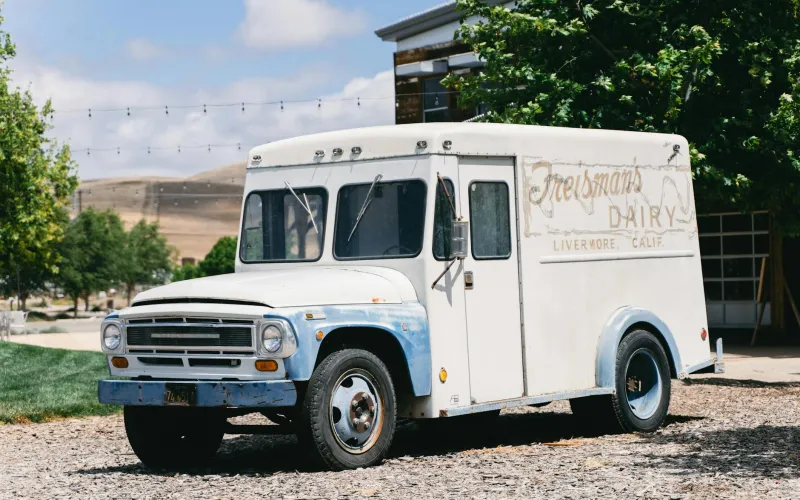
Every Tuesday and Friday at 5:30 AM, Harold Miller drove his white truck down Maple Street, stopping at each house with the precision of a Swiss watch. He didn't need GPS or delivery apps. After 15 years on the same route, he knew that the Johnsons needed extra milk before their grandson's weekend visits, that Mrs. Patterson always forgot to pay until the third reminder, and that the Kowalskis went to Florida every February.
Harold wasn't just delivering milk. He was managing a complex web of personal relationships, informal credit arrangements, and neighborhood intelligence that would make today's data scientists jealous. And he was one of thousands of delivery professionals who formed the invisible backbone of mid-century American commerce.
The Economics of Trust
In 1955, the average American household received regular deliveries from multiple vendors: milk, bread, ice, newspapers, and sometimes meat, vegetables, or dry cleaning. These weren't just convenience services — they were sophisticated financial networks built on personal relationships rather than credit scores.
The milkman operated what economists now call a "trust-based credit system." Customers paid weekly or monthly, often running tabs that could stretch for weeks during tight financial periods. No credit checks, no interest rates, no collection agencies. Just a handshake and the understanding that neighbors honored their debts.
This system worked because everyone involved had skin in the game. The milkman lived in the community he served. His reputation was his business model. Customers couldn't disappear into anonymity — they saw their delivery person multiple times per week, often for years or decades.
The Information Network
Delivery routes were informal communication networks that predated social media by half a century. The milkman knew who was sick (no milk picked up for three days), who was struggling financially (requests to skip deliveries), who had family visiting (extra orders), and who was planning to move (cancellation notices).
This information flowed both ways. Delivery professionals served as early warning systems for neighborhood problems, informal welfare checks for elderly residents, and trusted advisors for household management. They could recommend the best local services, warn about scams, and provide references for babysitters or repair services.
The bread man knew which families were growing (increasing orders) or shrinking (empty nesters reducing deliveries). The ice man understood seasonal patterns and could predict community needs weeks in advance. Together, these professionals created a real-time economic intelligence network that no algorithm has yet replicated.
The Transformation
The shift began in the 1960s as suburban families acquired cars, refrigerators grew larger, and supermarkets offered lower prices through economies of scale. By 1980, most home delivery services had vanished, replaced by weekly shopping trips to large retail centers.
For decades, delivery meant pizza and Chinese food — special occasions rather than routine household management. Then came the internet revolution, followed by smartphones and GPS tracking. Suddenly, Americans could have anything delivered anywhere, anytime.
Today's delivery ecosystem is a marvel of logistics engineering. Amazon can predict what you want before you know you want it. Instacart shoppers can fulfill grocery orders in under an hour. Uber Eats connects you to restaurants you've never heard of. The speed, selection, and convenience would seem magical to someone from 1955.
The Algorithm Knows Everything and Nothing
Modern delivery services collect data points that would amaze Harold Miller: purchase history, browsing behavior, location patterns, payment methods, social media activity, and demographic profiles. Machine learning algorithms can predict with startling accuracy when you'll reorder laundry detergent or try a new restaurant.
But they can't predict when you need a friend.
The old delivery system was inefficient by today's standards — higher costs, limited selection, irregular schedules. But it provided something that no app can replicate: genuine human connection woven into daily commerce. The milkman who noticed you hadn't picked up your bottles might knock on the door to check if everything was okay. Today's delivery driver leaves packages on porches and disappears.
The Hidden Costs of Efficiency
The economics are undeniable: modern delivery is faster, cheaper, and more convenient than anything previous generations could imagine. But we've traded away something that economists struggle to quantify — the social infrastructure that delivery routes once provided.
Those personal relationships weren't just pleasant; they were economically valuable. The milkman who extended informal credit during tough times was providing a financial service. The delivery professional who kept an eye on elderly customers was providing healthcare monitoring. The route driver who knew everyone's schedules was providing security services.
These benefits weren't free, but they were bundled into the delivery price in ways that made them nearly invisible. Today, we purchase these services separately — credit monitoring, healthcare alerts, home security systems — often at higher total costs than the old integrated model.
The Gig Economy Echo
Interestingly, some aspects of the old system are returning through the gig economy. DoorDash drivers develop regular customers. Instacart shoppers build relationships with frequent users. Amazon delivery drivers learn neighborhood patterns.
But these relationships remain fragmented and temporary. Gig workers change routes frequently, lack job security, and have little incentive to invest in long-term customer relationships. The economic pressure is toward efficiency rather than relationship-building.
What We Can't Algorithm
The milkman era ended for good reasons — it was expensive, limited, and often inconvenient. But it solved problems we didn't realize we had until they were gone: social isolation, financial inflexibility, and the loss of community connections.
Today's delivery services excel at fulfilling explicit requests but can't address implicit needs. They can bring you groceries but can't tell if you're struggling. They can track packages but can't track neighbors. They can optimize routes but can't optimize relationships.
Perhaps the real lesson isn't that we should return to the milkman model, but that we should recognize what we traded away in the pursuit of efficiency. In an age of infinite convenience, the scarcest commodity might not be speed or selection, but the simple knowledge that someone notices when you're not okay.