The 6 AM Symphony of Suburban America
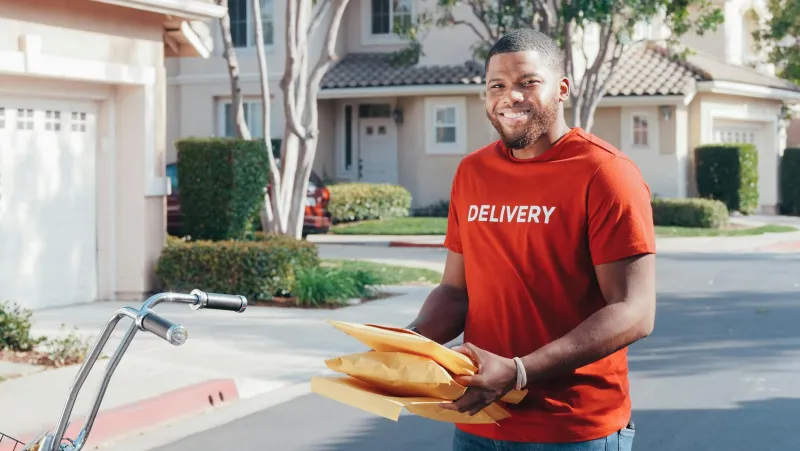
Every morning at precisely 6:15 AM, twelve-year-old Tommy Martinez would toss the folded Chicago Tribune onto the Hendersons' front porch, knowing Mrs. Henderson would emerge in her bathrobe exactly seven minutes later with a cup of coffee. Three houses down, he'd gently place the paper between the storm door and main door for Mr. Chen, who worked night shifts and needed his sleep. The Johnsons got their paper tucked behind the milk box because their golden retriever had a habit of shredding anything left on the ground.
This wasn't just newspaper delivery—it was an intricate knowledge system that connected every household in the neighborhood through one kid with a bicycle and an intimate understanding of human habits.
Tommy knew things about his route that no algorithm could calculate: which houses had new babies (papers delivered extra quietly), who was going through a divorce (suddenly only one car in the driveway), and which families were struggling financially (they'd switch from daily to Sunday-only delivery). He was part traffic controller, part neighborhood watchman, and part community therapist, all rolled into one teenager earning $12 a week.
The Shared National Conversation
When Americans woke up in 1975, they didn't immediately dive into personalized news feeds tailored to their existing beliefs. Everyone on Maple Street read the same front page, saw the same editorial cartoons, and absorbed the same version of yesterday's events. The paperboy wasn't just delivering information—he was distributing a common foundation for every conversation that would happen at the office water cooler, the grocery store checkout line, and the dinner table that evening.
This created something remarkable: a genuinely shared reality. When Nixon resigned, when the Challenger exploded, when the Berlin Wall fell, Americans experienced these moments together, reading identical accounts and forming opinions from the same starting point. Disagreements existed, of course, but they emerged from shared facts rather than entirely different information universes.
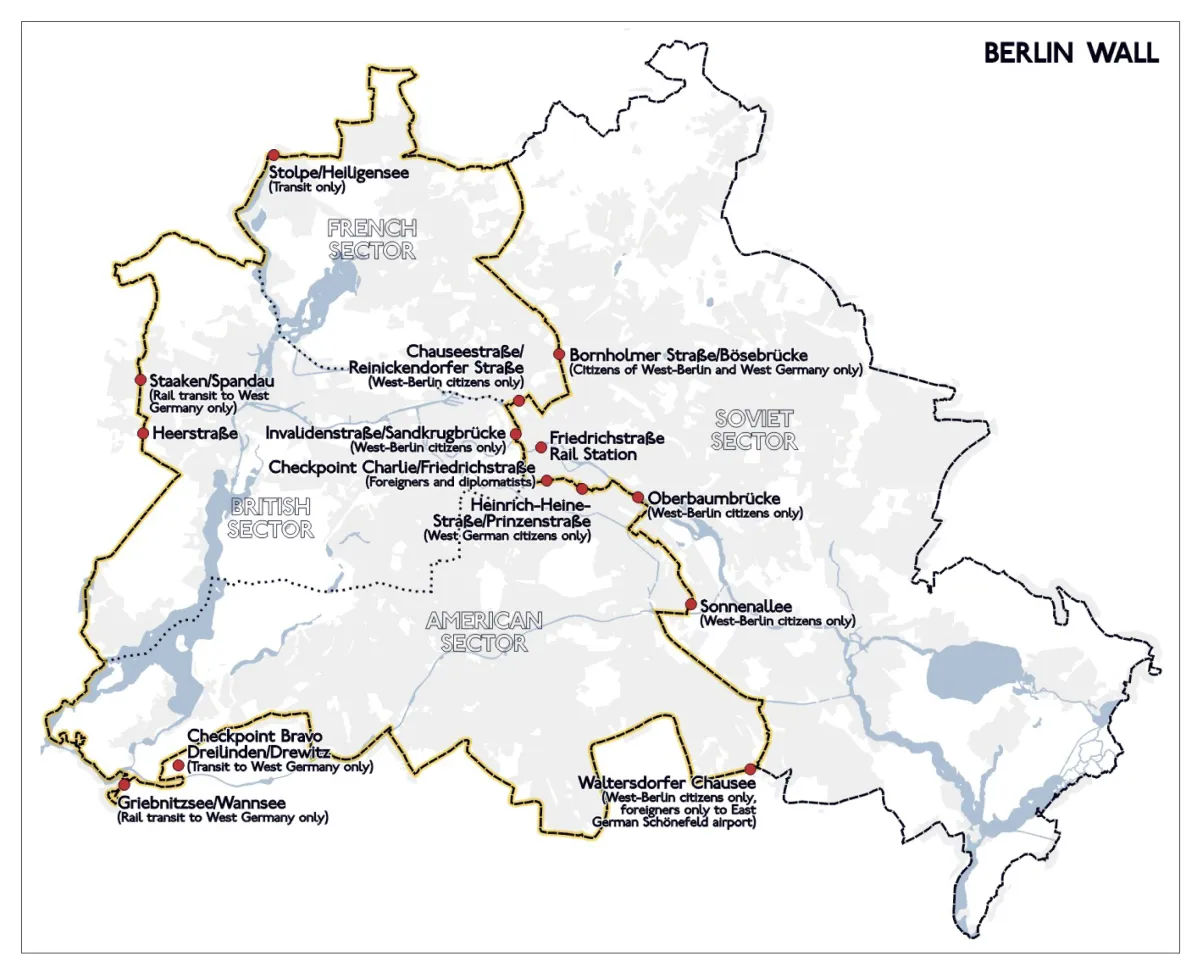 Photo: Berlin Wall, via www.mapsland.com
The paperboy route created natural community connections, too. Mrs. Peterson would flag down Tommy to ask about his baseball season. Mr. Rodriguez would tip him extra during Christmas week and ask about his plans for high school. These weren't just transactional relationships—they were the threads that wove neighborhoods into actual communities.
The Algorithm Knows Everything and Nothing
Today's news delivery system knows more about you than Tommy ever could. It tracks your reading habits, monitors how long you spend on each article, analyzes which headlines make you click, and adjusts accordingly. It knows you prefer sports over politics, that you tend to read health articles on Monday mornings, and that you're 73% more likely to engage with content featuring certain keywords.
But this algorithmic precision has created an unexpected problem: instead of delivering a shared foundation for community conversation, it's constructed millions of individual information bubbles. Your news feed and your neighbor's news feed might be completely different, even though you live in the same town, face the same local challenges, and vote in the same elections.
The modern news ecosystem optimizes for engagement rather than understanding. Articles are crafted to generate clicks, shares, and emotional reactions rather than to inform a community about shared challenges and opportunities. The result is Americans who are simultaneously over-informed and under-informed—drowning in content but starving for context.
When Information Was Finite and Precious
The morning paper represented something that seems almost quaint now: finite, curated information. Editors made deliberate choices about what deserved front-page attention, what belonged in the business section, and what merited a follow-up investigation. Readers trusted these editorial decisions partly because there were no alternatives, but also because local newspapers were genuinely invested in their communities' wellbeing.
Tommy's newspaper route created natural information equity. Rich and poor households on his route received the same product at the same price. The doctor and the factory worker read identical headlines over their morning coffee. This democratic distribution of information helped create the informed citizenry that democratic societies require.
The physical act of newspaper delivery also created natural accountability. If the Tribune printed something factually incorrect, angry subscribers would confront Tommy on his route. He'd relay these complaints to his district manager, who'd pass them up the chain. This feedback loop wasn't perfect, but it was immediate and personal in ways that online comment sections and social media complaints never quite replicate.
The Loneliness of Infinite Choice
Modern Americans have access to more information than any generation in human history, yet surveys consistently show higher levels of confusion about current events, decreased trust in institutions, and growing political polarization. The algorithm that knows your reading habits so well has inadvertently created a lonelier, more fragmented society.
We've traded the paperboy's intimate knowledge of our routines for push notifications that interrupt our routines. We've exchanged shared community conversations for personalized content that reinforces our existing beliefs. We've swapped the democratic experience of reading the same headlines as our neighbors for the isolating experience of consuming information designed specifically for us.
The Rhythm We Lost
Perhaps the most profound loss isn't informational but rhythmic. The paperboy's route created predictable, healthy patterns that anchored entire neighborhoods. Morning coffee with the newspaper established a contemplative start to the day that smartphones have completely shattered.
Tommy Martinez understood something about information delivery that Silicon Valley has forgotten: news isn't just data to be consumed—it's the raw material from which communities build shared understanding. The boy on the bicycle wasn't just delivering newspapers. He was delivering democracy, one front porch at a time.