The Great Restaurant Roulette: When Finding a Good Meal Required Faith, Luck, and a Strong Stomach
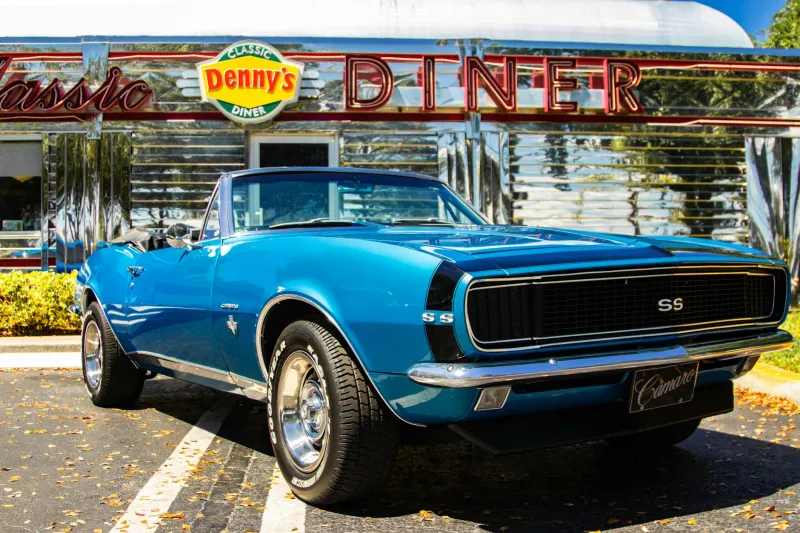
Picture this: You're driving through a small town in Ohio in 1975, stomach growling, and you need to find somewhere to eat. No smartphone. No Yelp. No Google Reviews. Just you, an empty tank, and a handful of restaurants you've never heard of.
Welcome to the great American restaurant roulette, where every meal was an adventure—and not always the good kind.
The Art of Reading Signs and Parking Lots
Back then, Americans developed an almost supernatural ability to judge a restaurant by its exterior. A packed parking lot at 7 PM was pure gold—it meant locals ate there, and locals knew best. Hand-painted signs often trumped fancy neon ones, suggesting family ownership and home cooking. The more beat-up the building looked (but still clean), the better the food might be.
Truck drivers became unofficial food critics. If you saw big rigs in the lot, you'd found a winner. Truckers drove thousands of miles and ate everywhere—they knew which diners served real mashed potatoes and which ones came from a box.
"You'd pull into a truck stop and ask the drivers where to eat," recalls Martha Henderson, who traveled extensively for work in the 1960s. "They never steered you wrong. Those guys were like a secret network of food scouts."
The AAA TourBook: America's First Restaurant Guide
For the more cautious diner, the American Automobile Association published annual TourBooks—thick regional guides that listed "AAA Approved" restaurants. Getting that diamond rating was serious business for restaurant owners. It meant steady traffic from travelers who trusted the AAA seal of approval.
These books were treasured possessions, updated yearly and stuffed into glove compartments across America. They listed basic information: address, phone number, price range, and a brief description. No photos, no detailed reviews—just "Family restaurant serving American cuisine. Moderate prices."
Compare that to today, where you can see 47 photos of someone's chicken sandwich before you even decide to go.
Word of Mouth Was Everything
Without instant digital communication, restaurant recommendations spread slowly but powerfully through communities. Your neighbor's cousin's recommendation carried serious weight because it was rare and personal. People remembered good meals and bad ones for years, passing along warnings and recommendations like family heirlooms.
Local newspapers ran restaurant reviews, but only for special occasions or new openings. Most small-town papers didn't have dedicated food critics. The restaurant section was usually just ads and maybe a brief mention of the new Chinese place that opened on Main Street.
The Rise of Chain Restaurants: Predictability in an Unpredictable World
This uncertainty created the perfect environment for chain restaurants to flourish. Howard Johnson's, with its orange roof and 28 flavors of ice cream, became a beacon of reliability for travelers. You knew exactly what you'd get at a HoJo's in Florida or Maine—decent food, clean bathrooms, and no surprises.
McDonald's golden arches weren't just a logo; they were a promise. Same burger, same fries, same experience whether you were in California or Connecticut. For families on vacation, that predictability was worth its weight in gold.
"We'd drive from Detroit to Florida every summer," remembers Tom Rodriguez, now 68. "My dad would only stop at places he recognized or that looked really busy. We ate a lot of McDonald's and Howard Johnson's. It wasn't exciting, but we never got food poisoning either."
The Gamble That Shaped American Food Culture
This era of uncertainty actually strengthened regional food cultures. Without national chains dominating every corner, local restaurants thrived. Small towns had their own legendary diners, barbecue joints, and pizza places that visitors discovered through luck or local tips.
The absence of reviews also meant restaurants lived or died by consistency and community reputation. A few bad meals could sink a business because word traveled fast in small communities, even without the internet.
When Every Meal Was an Adventure
Today, we can read 200 reviews, see the menu online, check photos of every dish, and know exactly what we're getting before we walk through the door. We've eliminated almost all risk from dining out.
But we've also eliminated much of the discovery. That hole-in-the-wall Mexican place your grandfather found on a road trip in 1968? He had to be brave enough to try it based on nothing more than the smell wafting from the kitchen and the number of cars in the parking lot.
Sometimes he struck gold. Sometimes he got food poisoning. But every meal was a genuine adventure, and the great discoveries—the ones worth remembering and sharing—felt truly special because they were genuinely rare.
In our age of instant information and guaranteed satisfaction, we've gained certainty but lost something too: the thrill of the unknown, the joy of unexpected discovery, and the stories that come from taking a real chance on that little place with the flickering neon sign.