Dr. Margaret Sullivan knew that Mrs. Henderson's back pain flared up every September when school started because she worried about her grandson's reading struggles. She knew that Mr. Kowalski's "chest pains" usually coincided with arguments with his son-in-law. And she knew that the Thornton family's string of mysterious stomach ailments in 1967 had more to do with their marriage problems than any medical condition.
Dr. Sullivan had been the family doctor for three generations of residents in Millbrook, Pennsylvania, population 8,400. Her patients didn't just visit her office — they invited her to their weddings, called her when their teenagers got in trouble, and trusted her to make house calls at 2 AM when someone was genuinely sick.
By today's standards, Dr. Sullivan's practice would be considered impossibly inefficient, legally risky, and financially unsustainable. But her patients trusted her in ways that seem almost foreign in our current healthcare system.
The Appointment That Lasted an Hour
In 1965, seeing Dr. Sullivan meant calling her office on a Tuesday to schedule an appointment for the following Thursday — if you were lucky. Non-emergency visits were routinely scheduled two to three weeks out. Emergency visits meant showing up at the office and waiting, sometimes for hours, until she could see you.
But when you finally sat down in her office, you had her complete attention. Appointments lasted 30 to 45 minutes, sometimes longer. She would ask about your job, your family, your stress levels, and your sleep patterns. She knew your medical history by heart because she had treated you for everything from childhood chickenpox to adult anxiety.
Dr. Sullivan performed procedures in her office that would require specialists today. She set broken bones, removed skin cancers, delivered babies, and handled everything short of major surgery. If you needed hospitalization, she would visit you there daily, coordinating with specialists but remaining your primary advocate and the central figure in your care.
The House Call Culture
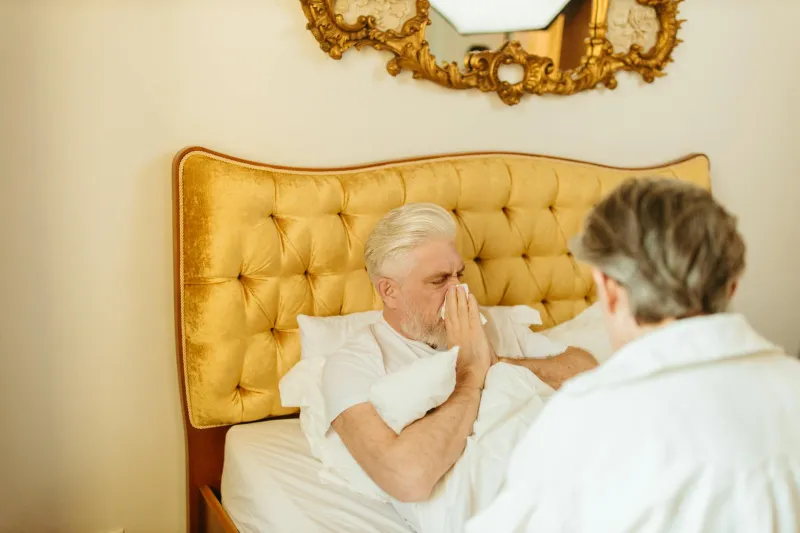
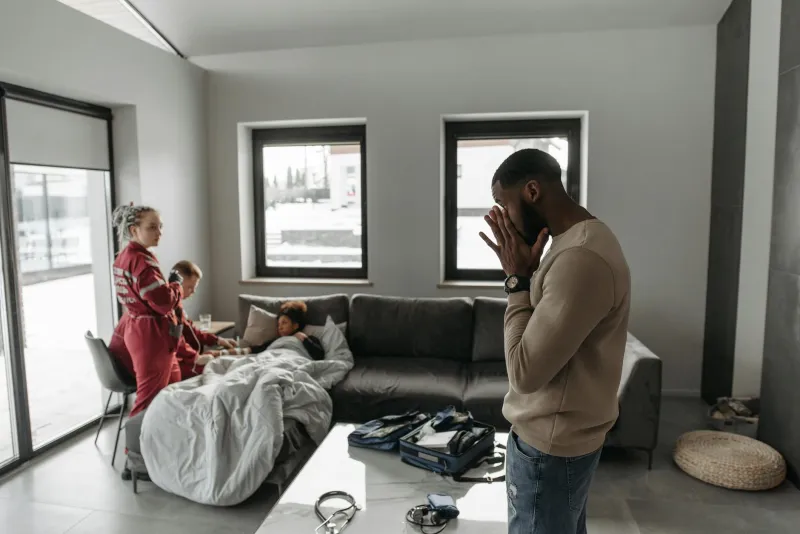
What seems almost mythical today was routine then: doctors who made house calls. Dr. Sullivan would drive to patients' homes for serious illnesses, post-surgical check-ups, and end-of-life care. She knew how people lived, what their home environments were like, and how their families functioned under stress.
These visits weren't just medical consultations — they were social institutions. The doctor's arrival was an event that brought neighbors together, prompted family discussions about care decisions, and provided reassurance that went far beyond clinical treatment.
The house call also allowed doctors to see health problems in context. Dr. Sullivan could observe whether elderly patients were eating properly, whether children had safe places to play, and whether families had the resources to follow through on treatment plans.
When Diagnosis Was Detective Work
Without modern diagnostic tools, doctors like Dr. Sullivan relied heavily on observation, conversation, and intuition. They spent time with patients, asked detailed questions, and used physical examination skills that many modern doctors never fully develop.
A typical diagnostic process might involve multiple visits, careful monitoring of symptoms over time, and extensive discussion with both patients and family members. Doctors knew their patients well enough to notice subtle changes in behavior, energy levels, or appearance that might indicate health problems.
This slower, more relationship-based approach to diagnosis had significant advantages. Doctors were less likely to miss psychological or social factors that contributed to physical symptoms. They were more likely to catch early signs of chronic conditions because they saw patients regularly over many years.
The Transformation
The shift away from this model began in the 1970s and accelerated through the 1980s and 90s. Medical specialization increased dramatically, breaking up the comprehensive care that family doctors had provided. Insurance companies began pushing for shorter appointment times and more efficient patient throughput.
Technology promised better, faster diagnosis, but it also created distance between doctors and patients. The stethoscope and physical examination gave way to blood tests, imaging studies, and electronic monitoring devices that provided more data but required less human interaction.
Most significantly, the economics of healthcare changed. The fee-for-service model that had allowed doctors like Dr. Sullivan to spend extensive time with patients was replaced by systems that rewarded volume over depth of care.
Today's Healthcare Paradox
Modern American healthcare offers miraculous capabilities that Dr. Sullivan could never have imagined. We can diagnose conditions with precision, treat diseases that were once fatal, and provide immediate care for urgent problems through walk-in clinics and telehealth platforms.
A patient today can get a strep throat diagnosis and prescription within 20 minutes at an urgent care clinic. They can consult with specialists via video chat, receive test results instantly through patient portals, and access medical information 24 hours a day.
But this efficiency comes with costs that aren't always obvious. The average primary care appointment now lasts 18 minutes. Many patients see different doctors for different conditions, creating fragmented care that no single physician coordinates. The emphasis on rapid diagnosis and treatment can miss the complex psychological and social factors that Dr. Sullivan considered central to healing.
What Patients Miss
Surveys consistently show that patients feel rushed during medical appointments and wish they had more time to discuss their concerns with doctors. Many report feeling like their doctors don't really know them as people, leading to a sense that they're being treated for symptoms rather than cared for as whole human beings.
The loss of house calls means doctors rarely see how patients actually live, making it harder to understand the real-world factors that affect health outcomes. The specialization of medicine, while offering expertise in specific areas, has created a system where no single doctor takes responsibility for a patient's overall wellbeing.
Perhaps most importantly, the relationship-based trust that characterized Dr. Sullivan's practice has been replaced by a more transactional approach to healthcare that many patients find unsatisfying, even when it's clinically effective.
The Human Element
Dr. Sullivan retired in 1987, and her practice was absorbed into a regional medical group. Her former patients still talk about her with a warmth and trust that seems almost impossible to recreate in today's healthcare environment.
They remember feeling truly cared for, not just efficiently processed. They remember a doctor who knew their stories, understood their fears, and treated them as whole people rather than collections of symptoms.
While we can't return to the slower, less technologically sophisticated medicine of the past, the memory of doctors like Dr. Sullivan reminds us of something essential that we've lost in our rush toward efficiency: the healing power of being truly known and cared for by another human being.