When Sending $100 to Your Cousin in London Required a Small Army of Financial Professionals
The Great International Money Transfer Expedition of 1985
Picture this: Your cousin studying abroad in London desperately needs $500 for rent. In 1985, helping them out wasn't just expensive—it was practically a part-time job.
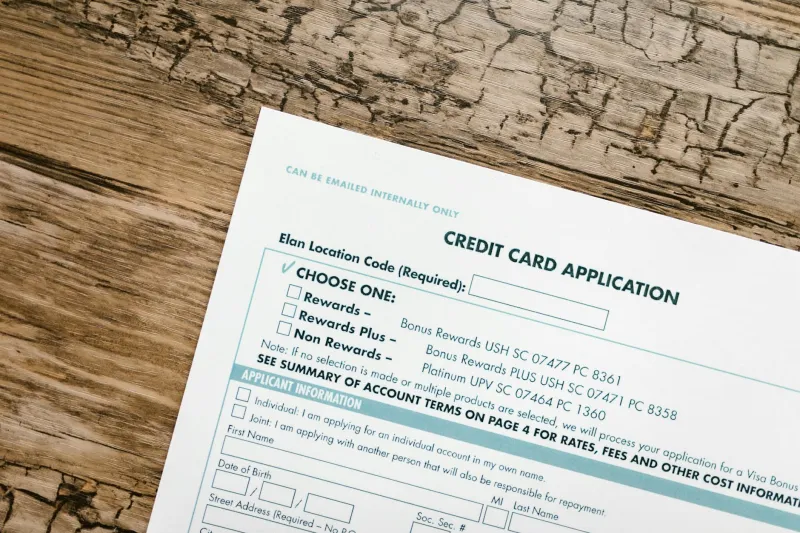
First, you'd drive to your local bank, armed with your cousin's full legal name, complete address, bank details, and probably a letter explaining why you were sending money overseas. The teller would hand you a stack of forms thicker than a small-town phone book. Each form required signatures, sometimes notarized, and always in triplicate.
"Wire transfers to the United Kingdom require correspondent bank approval," the teller would explain, as if you understood what that meant. You didn't. But you'd nod anyway and fork over a $45 fee—roughly $130 in today's money—just to get the process started.
The Waiting Game That Tested Family Bonds
Once your paperwork disappeared into the banking system's black hole, the real adventure began: waiting. Not the kind of waiting you do for a delayed flight or a slow internet connection. We're talking about weeks of genuine uncertainty about whether your money had vanished forever or was simply taking a scenic tour through the international banking system.
Correspondent banks—the middlemen who actually moved money between countries—operated on their own mysterious timeline. Your $500 might sit in a Frankfurt holding account for days while some banker verified that yes, you were indeed allowed to send your own money to your own relative.
Meanwhile, your cousin would call collect from London (because international phone calls cost about $3 per minute) asking if you'd actually sent the money or just promised to. These conversations rarely ended well.
When Banking Was Still a Relationship Business
The complexity wasn't entirely the banks' fault. International money movement in the pre-internet era required genuine human verification at multiple steps. Your local bank manager—who actually knew your name and your family's financial history—would personally review large transfers. This wasn't automation; it was artisanal money movement.
SMT (Society for Worldwide Interbank Financial Telecommunication) messages traveled through secure telephone lines and telex machines. Each transaction generated paper trails that required human eyes to verify account numbers, routing codes, and compliance with international regulations that changed depending on political relationships between countries.
For Americans sending money to relatives in countries with unstable banking systems, the process became even more Byzantine. Some transfers required State Department documentation. Others needed proof that the money wasn't funding anything the government disapproved of—a broad category that seemed to change monthly.
The Hidden Costs That Made Every Transfer Sting
The $45 wire fee was just the beginning. Your bank charged for initiating the transfer. The correspondent bank charged for handling it. The receiving bank charged for accepting it. Currency conversion happened at rates that mysteriously favored the banks at every step.
By the time your $500 reached London, your cousin might receive the equivalent of $420—after paying their own receiving fees. The total cost of moving money internationally often exceeded 15% of the transfer amount, making it prohibitively expensive for smaller sums.
Working-class families sending remittances faced impossible choices: send money frequently in small amounts and lose huge percentages to fees, or save up for larger transfers that left relatives struggling for weeks between payments.
Today's Magical Money Movement
Now, your cousin texts you their Venmo handle. You type in $500, add a pizza emoji, and hit send. The money arrives before you finish your coffee.
Or maybe you use Wise (formerly TransferWise), which converts your dollars to pounds at near-market rates and charges $4.12 for the privilege. The transfer completes in minutes, not weeks. Your cousin receives $496.88—more than they would have gotten after the 1985 banking gauntlet, despite the money being worth less today.
Cryptocurrency enthusiasts can send value internationally for even less, though explaining Bitcoin to your 1985 self would require a separate conversation about how money itself evolved.
The Infrastructure Revolution Nobody Noticed
The transformation wasn't just technological—it was philosophical. Banking shifted from a relationship-based business model to a transaction-processing utility. Your bank no longer needs to know you personally to move your money safely across oceans.
Regulatory frameworks evolved too. International anti-money laundering agreements standardized what used to be country-specific bureaucratic nightmares. Digital identity verification replaced notarized affidavits. Real-time fraud detection systems eliminated much of the manual review that created those agonizing delays.
When Speed Became the New Normal
The most remarkable change isn't just that international transfers became faster and cheaper—it's that we now expect them to work like domestic payments. Sending money to London feels no different from sending money to the next state over.
Your grandparents planned international money transfers like military operations, coordinating with relatives weeks in advance and keeping careful records in case something went wrong. You send money internationally without thinking about it, sometimes by accident when you forget to check which payment app you're using.
That casual confidence in moving money across borders represents one of the most dramatic improvements in everyday financial life—even if nobody thinks to celebrate it anymore.