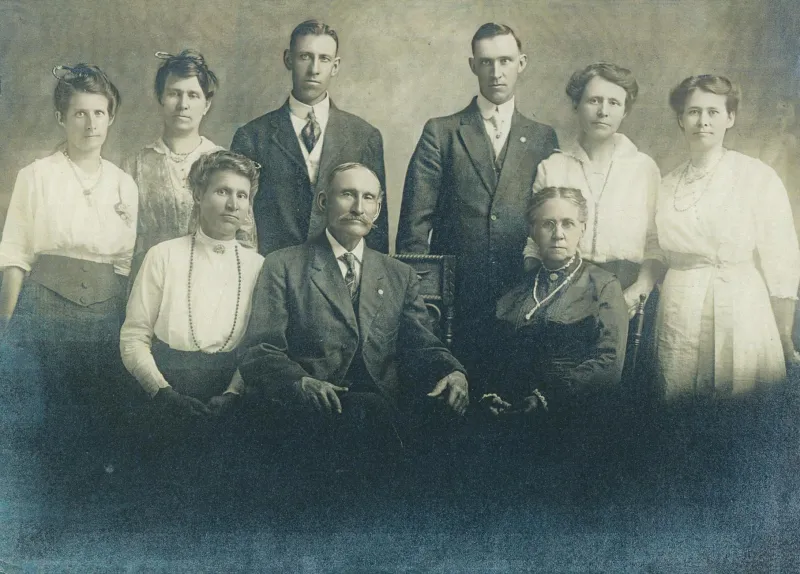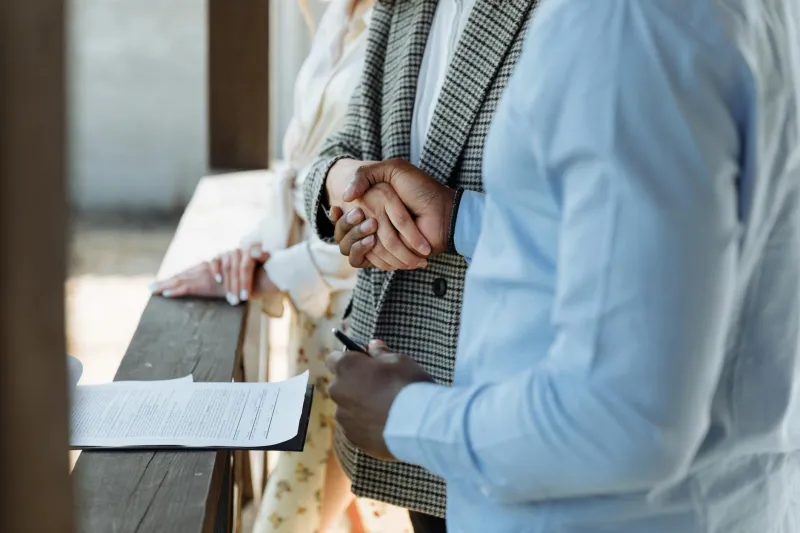
In 1952, Harold Peterson walked into Murphy's Hardware in downtown Cedar Rapids, Iowa, shook hands with the owner, and walked out with $3,000 worth of building supplies for his new garage. No credit check. No signed contract. No collateral beyond his reputation as a reliable customer who'd been shopping there for eight years.
Today, Harold's grandson needs to sign a four-page waiver just to use the gym's guest WiFi.
The Era When Reputation Was Currency
For most of the 20th century, American business operated on what economists now call "social capital" — the accumulated trust built through repeated interactions within stable communities. Small business owners knew their customers personally. They knew who paid bills on time, who struggled but always made good eventually, and who to avoid entirely.
This wasn't naive optimism. It was a practical system built on mutual accountability. In a town of 15,000 people, word traveled fast. Stiff someone on a deal, and you'd find yourself unwelcome at half the businesses in town. Your reputation wasn't just your calling card — it was your credit score, your reference letter, and your business license all rolled into one.
The corner grocery store would let families run tabs for weeks. Car dealers would hand over keys based on a firm handshake and a promise to "stop by with the money next Friday." Construction crews would start major projects with nothing more than a verbal agreement and a shared understanding of what "fair price" meant in their community.
When Everything Changed
The shift didn't happen overnight. As America became more mobile in the 1960s and 70s, the tight-knit community networks that made handshake deals possible began to unravel. People moved more frequently. Businesses grew larger and more impersonal. The corner store gave way to chain retailers whose managers had never seen their customers before and might never see them again.
Legal liability became a bigger concern as courts began awarding larger damages in business disputes. Insurance companies started requiring written contracts for coverage. Banking regulations tightened, demanding documented proof of every transaction.
But perhaps the biggest change was cultural. Americans began to see contracts not as signs of distrust, but as protection against it. Why risk a misunderstanding when you could spell everything out in writing?
The Paperwork Explosion
Today's business environment would be unrecognizable to Harold Peterson. A simple gym membership requires initialing seventeen different clauses. Buying a cup of coffee with a credit card involves agreeing to terms of service that would take 45 minutes to read in full. Even downloading a flashlight app for your phone comes with a legal document longer than the Declaration of Independence.
We've created an economy where every interaction, no matter how trivial, is treated as a potential lawsuit waiting to happen. The average American agrees to dozens of contracts every week without reading them — because reading them all would require hiring a personal lawyer and dedicating several hours daily to legal review.
Small business owners now spend thousands of dollars on liability insurance and legal consultations before making deals that their predecessors would have sealed with a handshake over coffee. A local contractor recently told me he spends more time on paperwork than actual construction work.
What We Gained and Lost
The shift to contract-based commerce solved real problems. Written agreements prevent misunderstandings. Legal protections help small businesses compete with larger ones. Standardized contracts make it easier to do business across state lines or with strangers.
But something fundamental was lost in translation. The handshake economy required people to know each other, to build relationships, to invest in their communities long-term. It encouraged face-to-face interaction and personal accountability.
Modern contract culture, for all its legal sophistication, often feels impersonal and defensive. We've traded the warmth of mutual trust for the cold protection of legal language. We've gained efficiency but lost intimacy.
The Human Cost
Perhaps most tellingly, many Americans report feeling nostalgic for business relationships they never actually experienced. Surveys consistently show that people prefer dealing with businesses that "feel more personal," even when those businesses are just as legally protected as any other.
We've built an economy that assumes the worst about human nature — and maybe, in doing so, we've made that assumption more likely to come true. When every interaction is framed in terms of potential legal conflict, it becomes harder to build the kind of trust that made handshake deals possible in the first place.
The next time you're asked to sign yet another waiver or click through another terms-of-service agreement, take a moment to imagine Harold Peterson walking into Murphy's Hardware. Sometimes the most sophisticated systems aren't necessarily the most human ones.