The Little Slip of Paper That Kept America From Going Broke: Whatever Happened to Layaway?

Somewhere in the back of every Sears, Kmart, and Montgomery Ward, there was a counter. Not flashy, not particularly well-staffed, but always busy in October and November. You'd bring your item to the layaway desk, fill out a form, hand over a small deposit, and walk out of the store empty-handed. The thing you wanted stayed behind, tagged with your name, sitting in a stockroom until you'd paid it off.
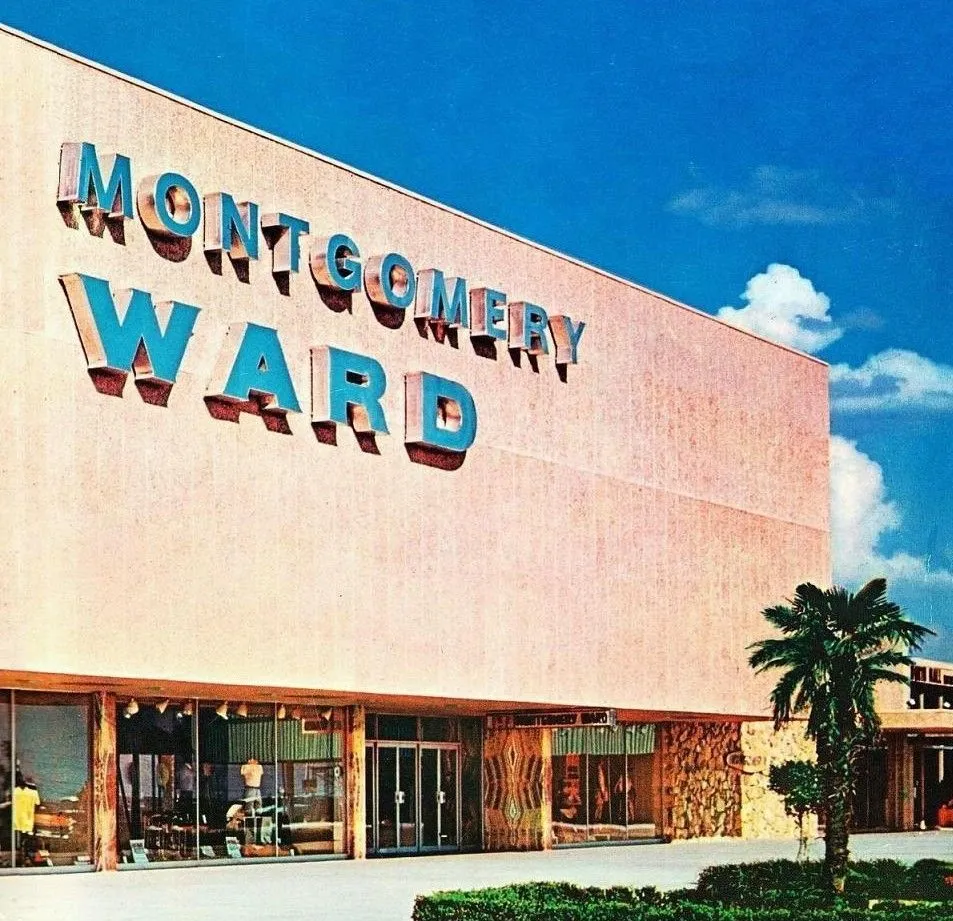 Photo: Montgomery Ward, via i.pinimg.com
No interest. No credit check. No debt. Just patience.
Layaway was, for most of the 20th century, one of the most common ways working-class and middle-class Americans bought big-ticket items. It was so embedded in retail culture that department stores staffed dedicated counters for it. And then, gradually, it disappeared — replaced by a financial ecosystem built almost entirely on the premise that waiting is something Americans no longer need to do.
Why Layaway Existed in the First Place
Layaway became widespread during the Great Depression, when credit was scarce and cash was scarcer. Retailers wanted to move merchandise. Customers wanted goods they couldn't afford outright. Layaway was the compromise: the store held the item, the customer paid in installments, and nobody took on debt.
The beauty of the system was structural. You couldn't buy something on layaway and immediately regret it, because you didn't have it yet. The weeks of incremental payments were, in effect, a built-in cooling-off period. By the time you picked up that bicycle or that television set, you'd thought about it a hundred times. You'd earned it slowly. That psychological dimension — the anticipation, the commitment, the eventual satisfaction — was baked into the transaction.
For families without credit cards or savings accounts, layaway was also a forced savings mechanism. Setting aside $5 a week for a $60 coat was a form of budgeting that required no spreadsheet and no financial literacy course. The system did the discipline for you.
The Counter Closes
Layaway didn't die overnight. It faded as credit became easier to access, as retail moved online, and as the financial industry got very good at selling the idea that having things now was better than having things later.
Kmart shuttered its layaway program in 2006. Walmart followed in 2006 as well, though it later brought back a limited version for electronics and toys during the holiday season. The message from retail was clear: layaway was inefficient. It tied up inventory. It required staff. It was, in the language of modern retail, a friction point.
What replaced it was frictionless by design. Credit cards had been normalizing debt-as-purchase-method since the 1970s. Online shopping removed the physical act of browsing and considering. And in the 2010s, a new category emerged that managed to make layaway's installment logic sound almost nostalgic by comparison: buy-now-pay-later.
The New Layaway Is Nothing Like the Old One
Services like Affirm, Klarna, and Afterpay are sometimes described as a modern reinvention of layaway. The comparison is flattering and largely misleading. With layaway, you paid first and received your item after. With buy-now-pay-later, you receive your item immediately and pay afterward — which means you can accumulate items across multiple platforms, across multiple payment schedules, and lose track of your total obligations with remarkable ease.
The Consumer Financial Protection Bureau has flagged buy-now-pay-later for exactly these reasons, noting that users often carry multiple simultaneous plans without a clear picture of their total debt load. A 2022 CFPB study found that BNPL users were more likely to carry credit card debt, be overdrafted, and show signs of financial stress than non-users.
Layaway couldn't do that to you. It physically couldn't. The item stayed in the stockroom until the balance was zero.
What the Shift Reveals About Us
It would be easy to frame this as a story of corporate manipulation — retailers and fintech companies engineering impatience into the shopping experience for profit. That's not entirely wrong. But it's also a story about what Americans decided they wanted.
Delayed gratification is genuinely hard. Waiting eight weeks to bring home a Christmas gift when you could put it on a card today requires a kind of psychological effort that modern retail has spent decades training out of us. The layaway counter asked something of the customer. It asked for patience, for planning, for the willingness to want something for a while before having it. And at some point, enough Americans decided that was too much to ask.
The average American household now carries over $8,000 in credit card debt. The personal savings rate, which hovered around 10 to 12 percent in the 1970s and 1980s, dropped below 3 percent in the years before the pandemic. These numbers don't tell a single clean story, but they suggest something has changed in how Americans relate to money, time, and the gap between wanting and having.
The Stockroom Is Empty Now
There's something almost quaint about describing layaway to someone under 35. The idea that a store would hold something for you — that you'd make weekly trips to pay it down, that you'd carry a little paper receipt as proof of your progress — sounds like a description of a different civilization.
In some ways, it was. It was a civilization that understood, at a practical and habitual level, that you shouldn't own something until you could pay for it. Not as a moral statement. Just as a fact of how things worked.
The layaway counter didn't just hold merchandise. It held a particular idea about money and patience and the relationship between the two. When the counter closed, that idea didn't disappear — but it got a lot harder to find.