The Big Book That Held Everyone's Secrets in Plain Sight: Whatever Happened to the Phone Book?
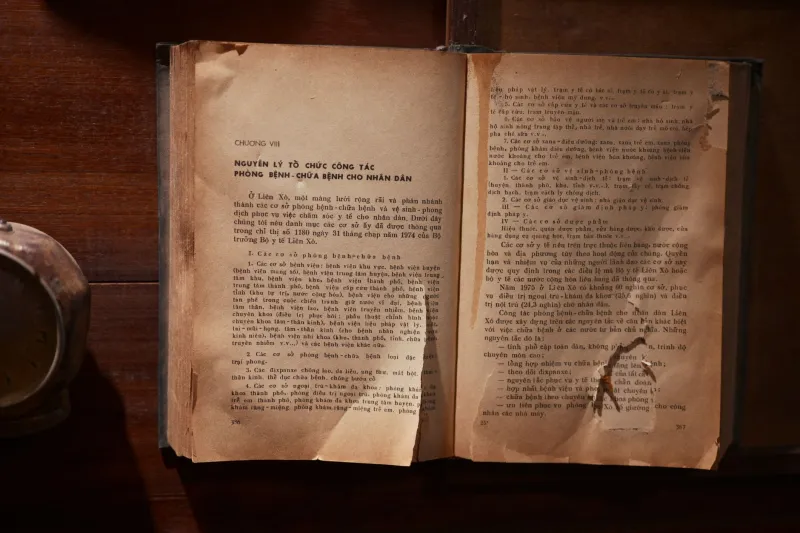
Every fall, without fail, it appeared on the doorstep. Thick as a brick, wrapped in yellow or white, with your name — and your neighbor's name, and the name of everyone you'd ever wanted to track down — printed in tiny columns across thousands of pages. The phone book was one of the most comprehensive public documents ever assembled, and for most of the twentieth century, nobody thought twice about being in it.
Today, the idea of publishing your home address and personal phone number in a directory available to every stranger in your metro area sounds like a privacy nightmare. And yet, for decades, that's exactly what most Americans did — voluntarily, without much anxiety, and as a matter of ordinary civic participation.
When Transparency Was Just Normal
The residential phone directory arrived alongside the telephone itself. By the mid-twentieth century, it was a fixture in virtually every American home — usually in the kitchen, often in a dedicated little nook beside the wall-mounted phone. It served a simple, practical purpose: if you wanted to reach someone, you looked them up. That was the deal. You were findable, and so was everyone else.
Unlisted numbers existed, but they carried a mild social stigma. You were either a celebrity, someone with a specific safety concern, or — in the quiet judgment of some neighbors — a person who thought they were a little too important to be reachable. Most people were listed. It wasn't a question of privacy; it was a question of community access.
The information itself was genuinely comprehensive. Full name. Street address. Phone number. Printed and distributed to hundreds of thousands of households. Businesses paid for display ads in the Yellow Pages section, but residential listings were essentially free and assumed. Opting out required a conscious, sometimes fee-based request.
The Directory as Social Infrastructure
What the phone book represented, beyond its practical function, was a shared assumption about public life: that knowing where your neighbors lived and how to reach them was a social good. It was the analog equivalent of a community database, updated annually and delivered to your door.
People used it in ways that seem almost quaint now. Reconnecting with a childhood friend who'd moved across town. Looking up a doctor or a plumber. Verifying that a business actually existed before driving across the city. Even a kind of low-stakes detective work — trying to figure out which of the three John Murphys in the directory was the one who owed your uncle money.
There was something almost democratic about it. The judge and the janitor were both in there, same font, same format, same amount of space on the page. Public information was genuinely public, in a way that didn't feel threatening — it felt like belonging somewhere.
When Privacy Became a Concern
The shift didn't happen all at once. Through the 1980s and into the 1990s, a slow accumulation of cultural anxieties began to change how Americans thought about their personal information. High-profile cases of stalking — some involving celebrities, others involving private individuals — started making the news with more frequency. The idea that anyone could find your address by simply opening a book began to feel less like community transparency and more like a vulnerability.
The internet accelerated everything. By the early 2000s, reverse phone lookup services, people-search databases, and aggregator sites had taken the phone book's logic and turbocharged it — your information wasn't just in a directory; it was searchable, scrapable, combinable with other data points to build a surprisingly detailed profile. Suddenly the old phone book felt like it had been the opening act for something much more invasive.
Requests for unlisted numbers surged. By the time physical phone book distribution began declining in the 2010s, the cultural consensus had already flipped. Privacy wasn't a preference for the reclusive — it was a reasonable expectation for everyone.
The New Paranoia (and Why It Makes Sense)
Today, the average American has access to more tools to hide their personal information than at any point in history — and uses many of them without thinking twice. Unlisted numbers, private social media profiles, data broker opt-out services, virtual phone numbers, P.O. boxes instead of home addresses. There are entire industries built around helping people scrub themselves from the internet.
The concerns driving this aren't irrational. Identity theft affects millions of Americans annually. Domestic violence survivors have genuine safety reasons to keep their locations private. Online harassment campaigns have shown how quickly a home address can become a weapon. The threat model has genuinely changed.
But something has also been lost in the pivot. The phone book assumed a baseline of community trust — that your neighbors were probably not threats, that being findable was part of being a member of a place. That assumption is harder to hold now, and not entirely without reason. But its erosion has a cost.
The Trade-Off Nobody Quite Agreed To
Here's the strange irony at the center of all this: Americans in the phone book era shared far less data than Americans today — they just shared it more openly. Your name and address in a local directory reached maybe a few hundred thousand people. Your data today, harvested from apps, loyalty programs, credit card transactions, and social media, reaches data brokers who sell it to parties you'll never know about, for purposes you'll never be told.
We traded the phone book's honest transparency for a system of invisible data collection that operates entirely without our meaningful consent. We became more private in one direction and radically more exposed in another.
Somewhere in that exchange, the old sense of being a known, reachable member of a community quietly disappeared — and we're still figuring out what, if anything, we want to put in its place.