The Family Car That Outlasted Three Presidents: When Americans Bought Once and Drove Forever
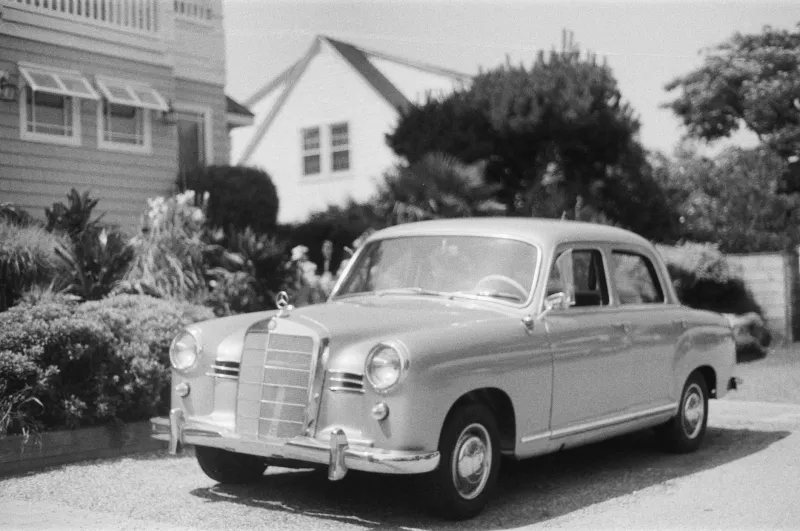
The Chevy That Watched You Grow Up
In 1963, when the Johnson family bought their powder-blue Chevrolet Impala, they made what felt like a lifetime commitment. That car would take little Jimmy to his first day of kindergarten, then to his high school graduation, and eventually to his wedding. It would survive three family dogs, countless road trips to Yellowstone, and at least two teenage driving lessons that left permanent scuff marks on the garage wall.
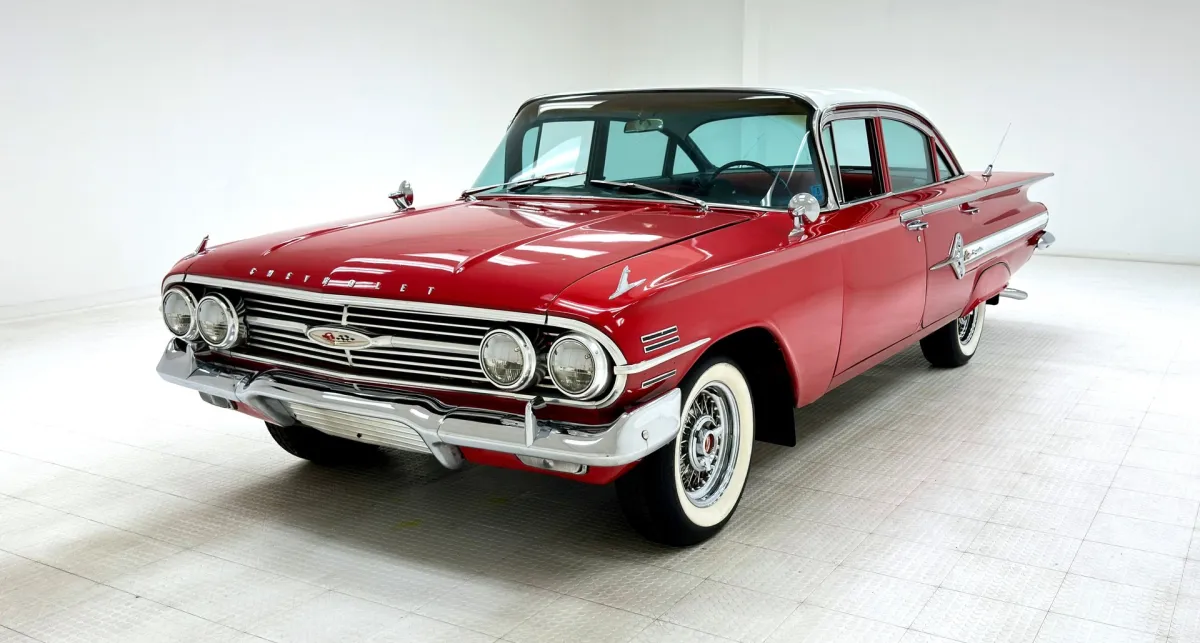 Photo: Chevrolet Impala, via cdn.dealeraccelerate.com
Twenty years later, with 180,000 miles on the odometer and a few rust spots around the wheel wells, that Impala was still the family car. Nobody thought this was strange, remarkable, or even particularly noteworthy. Cars were built to last, and Americans expected them to.
Today, that same commitment would be considered either nostalgic or financially irresponsible. Modern car buyers lease new vehicles every 36 months, trade in perfectly functional cars for minor updates, and treat automotive ownership more like a magazine subscription than a major life purchase.
When Car Payments Had an End Date
In the 1960s and 70s, buying a car meant exactly that: buying it. You saved up for a down payment, took out a three-year loan, and then enjoyed years of payment-free driving. The average American car loan lasted 36 months, and most families planned to drive their vehicles long after the final payment was made.
The math was simple and satisfying. A new car cost about $3,000 in 1965—roughly $25,000 in today's money. You'd make payments for three years, then drive payment-free for another 10-15 years. The total cost of ownership, spread over the vehicle's lifespan, made car ownership an investment in long-term mobility rather than a recurring monthly expense.
Families developed deep relationships with their vehicles. They knew exactly how to jiggle the key to make it start on cold mornings, which radio stations came in clearest, and how to position the windows for optimal air circulation before air conditioning became standard. These weren't just cars—they were family members with quirks, personalities, and irreplaceable histories.
The Maintenance Ritual That Built Character
Owning a car for 20 years meant learning to maintain it, and maintenance was a hands-on affair that connected Americans to their vehicles in ways that modern drivers can barely imagine. Saturday mornings meant checking the oil, testing the tire pressure, and peering under the hood to ensure everything looked roughly the way it should.
Local mechanics knew their customers by name and vehicle history. "Bring in the blue Impala," was enough information for your mechanic to pull up twenty years of service records from his handwritten logbook. These relationships were built on trust, familiarity, and the shared understanding that keeping a car running for decades required patience, skill, and mutual respect.
Repairs were expected and budgeted for, but they were also opportunities to extend the vehicle's life rather than reasons to trade it in. A transmission rebuild at 120,000 miles wasn't a sign that your car was dying—it was preventive medicine that would buy you another five years of reliable service.
The Lease Revolution That Changed Everything
The transformation began in the 1980s, when automakers discovered that leasing could turn car ownership from a one-time sale into a recurring revenue stream. Why sell someone a car once when you could lease them a new car every three years, forever?
Leasing promised lower monthly payments and the excitement of always driving something new. Americans, increasingly focused on monthly cash flow rather than total cost of ownership, embraced the opportunity to drive more car for less money per month. The fact that they'd never actually own anything seemed less important than the immediate gratification of a newer, shinier vehicle.
Automakers responded by designing cars for shorter ownership cycles. Why build a transmission that lasts 200,000 miles when most customers will trade in at 36,000? Why invest in long-term durability when planned obsolescence could drive more frequent purchases?
The Subscription Economy Reaches the Driveway
Today's average car loan stretches to 72 months, with some extending to 96 months—eight years of payments for vehicles that many owners will trade in long before the loan is paid off. Americans now carry an average of $31,000 in auto debt, and many are perpetually "upside down," owing more than their vehicles are worth.
The modern car buying experience reflects this shift toward perpetual payments. Dealers focus on monthly payment amounts rather than total purchase price. "What payment can you afford?" has replaced "How much car do you need?" as the primary sales question.
We've created a system where Americans are always making car payments but never building automotive equity. The average driver now spends $700-800 per month on car payments, insurance, and maintenance—enough to buy a decent used car every year, but instead applied to vehicles they'll never fully own.
What We Gained and What We Lost
Modern vehicles are undeniably better than their 1960s predecessors. They're safer, more fuel-efficient, more reliable, and packed with technology that would have seemed like science fiction to earlier generations. Today's "unreliable" car would have been considered a miracle of engineering in 1965.
But we've also lost something valuable: the satisfaction of ownership, the knowledge that comes from long-term maintenance, and the financial freedom of driving without payments. We've traded the security of owning assets for the convenience of always having something new.
The 1963 Impala represented more than transportation—it was proof that Americans could buy something substantial, care for it properly, and enjoy the fruits of their investment for decades. Today's lease culture offers constant novelty but little lasting value, reflecting a broader shift from ownership to access, from investment to consumption.
The Road Back to Ownership
Some Americans are rediscovering the financial wisdom of their grandparents, buying quality used cars and driving them until the wheels fall off. They're learning that a well-maintained ten-year-old vehicle can provide the same transportation value as a brand-new lease, but with payments that eventually end.
The question isn't whether modern cars are better—they clearly are. It's whether our relationship with them serves our long-term interests. The families who drove their cars for 20 years understood something we've forgotten: the best car payment is no car payment at all.
In our rush toward automotive convenience and constant upgrades, we may have optimized ourselves out of one of the middle class's most reliable wealth-building strategies: buying things once and using them for a very long time.