One Store, One Pharmacist, One Lunch Special: The American Drugstore That Actually Knew You
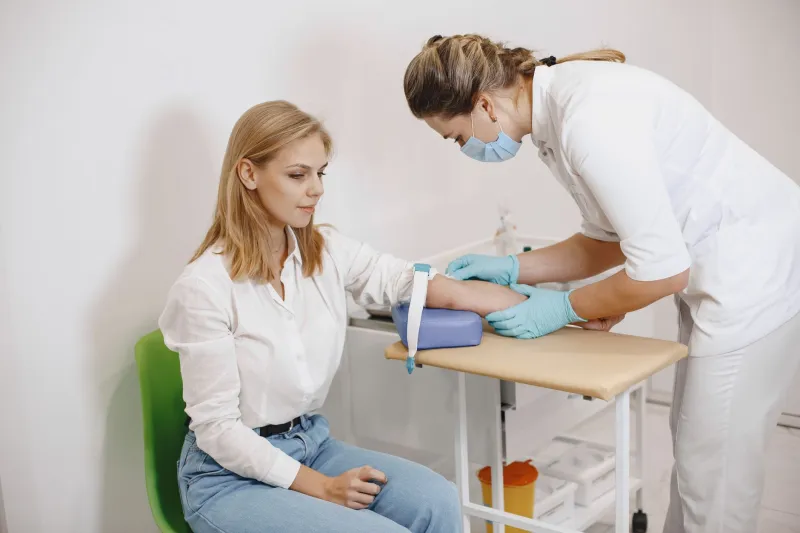
Walk into a Walgreens today and you'll get your prescription, eventually. You might wait twenty minutes, receive a text notification, scan a barcode, answer a question from a touchscreen about whether you'd like a flu shot, and walk out without exchanging a single meaningful word with another human being. The prescription gets filled. The system works. But something is missing — and it's something most Americans under forty have never actually experienced.
Go back sixty or seventy years, and the American drugstore was an entirely different creature.
The Store That Did Everything, Somehow
The mid-century drugstore — the kind that anchored Main Streets from Bangor to Bakersfield — wasn't just a place to pick up medication. It was a pharmacy, a lunch counter, a soda fountain, a greeting card shop, a cosmetics counter, a magazine rack, and occasionally a place where you could buy film, batteries, and a heating pad, all under one slightly cluttered roof.
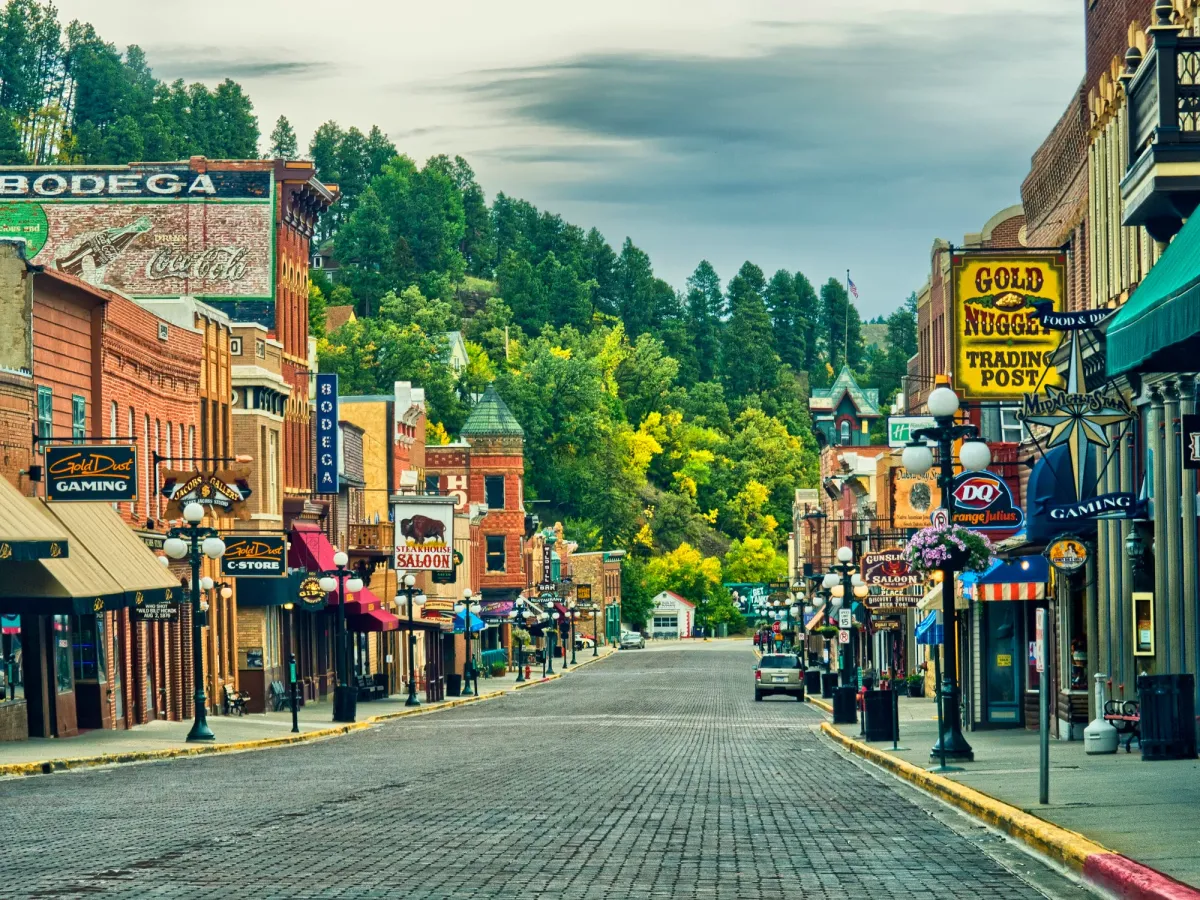 Photo: Main Streets, via hips.hearstapps.com
The pharmacist wasn't tucked behind a frosted partition processing digital queues. He — and it was usually a he, in those years — stood at a tall counter in a white coat, visible and accessible, often greeting customers by name before they reached the register. He knew which medications you were taking, which ones you'd tried before, and which ones your doctor had switched you off of last spring. He knew your mother's arthritis prescription and your kid's recurring ear infection.
That wasn't a feature of the system. That was just how it worked when one person served the same few hundred families for thirty years.
Lunch at the Counter, Prescription Ready at Two
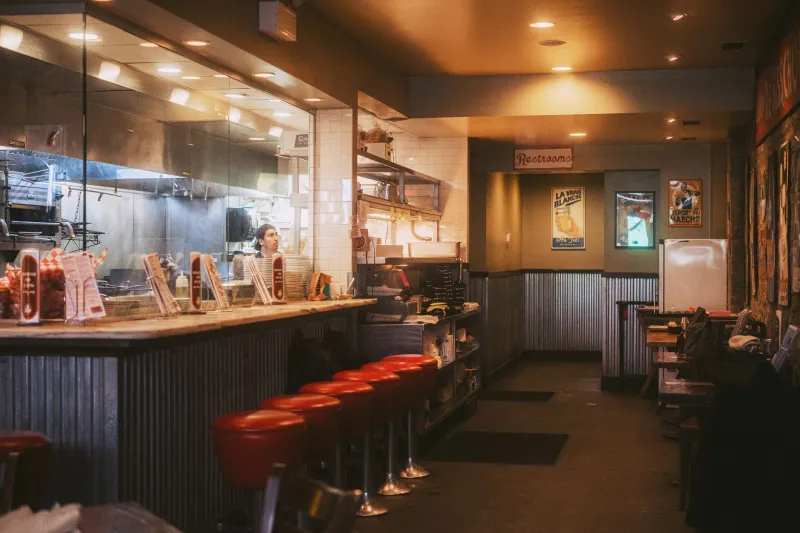
Perhaps the most distinctly American feature of the old drugstore was the lunch counter. A row of spinning stools, a laminated menu, a short-order cook, and the kind of grilled cheese sandwich that required no further description because everyone already knew what it tasted like.
You could drop off your prescription, sit down, order a BLT and a cherry Coke, and by the time you'd finished eating and left a dollar tip, your medication was bagged and ready. The pharmacist might wander over to tell you to take it with food — and glance at your empty plate with a small smile.
This wasn't a coincidence. The lunch counter and the pharmacy existed in deliberate proximity because the people who built these stores understood something about how Americans actually lived. You didn't want to make a separate trip for everything. You wanted one place where your needs were known and your time was respected.
The soda fountain served milkshakes to teenagers after school. The same teenagers' mothers picked up cold medicine and lipstick on the way home. Their fathers stopped in Saturday mornings for the newspaper and a cup of coffee. The drugstore was a layered institution — different things to different people at different hours of the day.
What Consolidation Actually Cost
The shift didn't happen overnight. Through the 1970s and 1980s, regional pharmacy chains began absorbing independent drugstores. By the 1990s, the big national names — CVS, Walgreens, Rite Aid — were systematically occupying corners that independents had held for generations. The lunch counters went first, deemed inefficient. The soda fountains followed. The magazine racks shrank. The pharmacist retreated further behind the partition.
The chains brought real advantages. Longer hours. More locations. Lower prices on many items. A standardized experience that worked the same way whether you were in Columbus or Corpus Christi. For a mobile, busy population, those things genuinely mattered.
But the cost was less visible and harder to quantify. When the independent pharmacist who knew your full medication history was replaced by a rotating staff of employees processing hundreds of prescriptions per shift, the relationship dissolved. The pharmacist became a dispenser rather than an advisor. The store became a transaction rather than a destination.
Today, many Americans get their prescriptions mailed directly to their door. The pharmacy doesn't need to see you at all.
The Pharmacist as a First Line of Defense
Here's something worth sitting with: in an era before patients had instant access to drug interaction databases and WebMD, the independent pharmacist was often a genuine first line of medical advice. Not a replacement for a doctor, but a knowledgeable, accessible presence who could tell you whether it was worth calling your physician or whether your symptoms were manageable with something off the shelf.
That relationship required familiarity. It required the pharmacist to know your history. A stranger processing your prescription from a queue doesn't have that context — and the automated systems that have replaced much of that judgment, while often accurate, don't carry the human weight of someone who actually knows you.
There's a reason people trusted their pharmacist in 1962 in a way that's genuinely hard to replicate today. It wasn't just knowledge. It was continuity.
The Texture of Everyday Life
It's tempting to frame the loss of the old American drugstore purely as nostalgia — a soft longing for simpler times that ignores the real benefits of modern pharmacy systems. And to be fair, the modern chain pharmacy is more efficient, more consistent, and in many ways more capable than its predecessor.
But efficiency isn't the only thing that matters in a life. The mid-century drugstore offered something that efficiency metrics don't capture: the texture of being known. Of walking into a place where your presence was recognized and your needs were anticipated. Of combining the mundane errand of picking up medication with the small pleasure of a decent lunch and a few minutes of conversation.
That texture — the layered, multi-purpose, deeply personal quality of neighborhood commerce — is largely gone from American life now. We've traded it for speed and scale, and the trade made sense in a hundred practical ways.
But next time you scan your barcode at the pharmacy counter and walk out without making eye contact with anyone, it's worth remembering what used to happen in that space. It wasn't just a different kind of drugstore. It was a different kind of community.