A Scraped Knee Could Kill You: The Terrifying Medical Reality Your Great-Grandparents Lived With Every Day
Sometime this week, you probably Googled a symptom. Maybe it was a weird rash, a persistent headache, or a cough that wouldn't quit. You pulled up WebMD, skimmed three articles, decided it was probably nothing, and went back to whatever you were doing. That casual relationship with your own health — curious but not panicked, informed but not desperate — is one of the most quietly extraordinary things about modern life.
Because it wasn't always like that. Not even close.
When Getting Hurt Was Actually Terrifying
Cast your mind back to 1920s rural America. A farmer breaks his leg after a fall from a wagon. Today, that's an ambulance ride, a few hours in the ER, maybe some surgery, and six weeks in a cast. He's back to work by spring.
 Photo: rural America, via i.abcnewsfe.com
In 1922, that same break could end his farming career — or his life. Bones that didn't set cleanly led to permanent disability. Open fractures invited bacterial infection. Without antibiotics (penicillin wasn't widely available until the 1940s), an infected wound could turn septic within days. Sepsis in 1922 was almost always fatal. The farmer's family knew it. The doctor knew it. Everyone just waited and hoped.
This wasn't a rare, dramatic worst-case scenario. It was Tuesday.
Across early 20th century America, parents watched children die from scarlet fever, diphtheria, and whooping cough — diseases that today are either eradicated or managed with a single vaccine. A tooth abscess could kill you if the infection spread to your jaw or bloodstream. Appendicitis was a death sentence in many rural communities simply because there was no surgeon close enough to reach in time. Childbirth killed American women at rates that would be considered a national emergency today.
The Operating Room Was Something to Fear
Surgery itself was deeply dangerous in ways that are hard to overstate. Anesthesia existed by the late 1800s, but its administration was inconsistent, poorly understood, and sometimes lethal on its own. Surgical tools were sterilized with varying degrees of care depending on the hospital, the era, and frankly the individual surgeon's habits.
Postoperative infection — what doctors called "surgical fever" — killed enormous numbers of patients who had technically survived the procedure itself. You could walk into a hospital for a relatively straightforward operation and die two weeks later from an infection you picked up in the recovery ward.
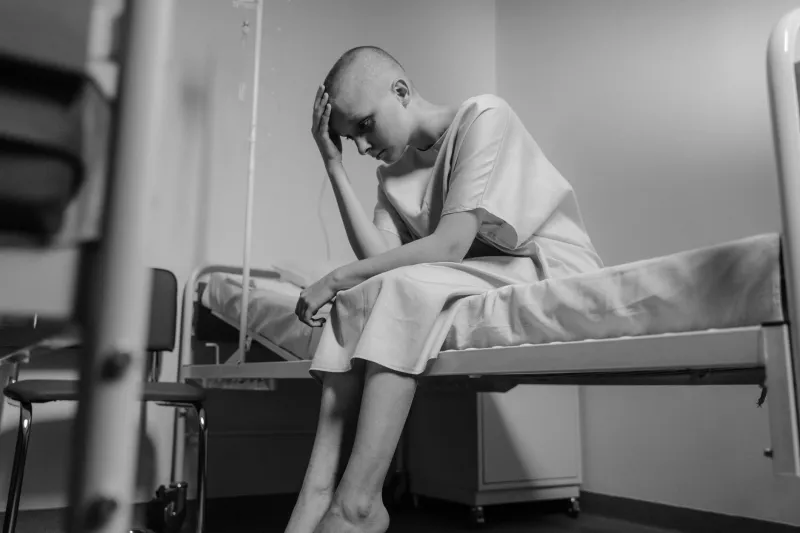
Hospitals weren't the reassuring places they are today. For much of American history, going to the hospital was what you did when you were probably going to die. Working-class families avoided them not just because of cost, but because the association between hospitals and death was deeply embedded in lived experience. People died in hospitals. You tried to get better at home.
The Moment Everything Started Changing
The transformation didn't happen overnight. It came in waves, each one reshaping what it meant to be sick in America.
Penicillin's mass production during World War II was arguably the single biggest shift. Suddenly, bacterial infections that had been death sentences became manageable. Soldiers who would have died from infected wounds survived. And when those treatments became available to the civilian population afterward, the entire calculus of everyday injury changed.
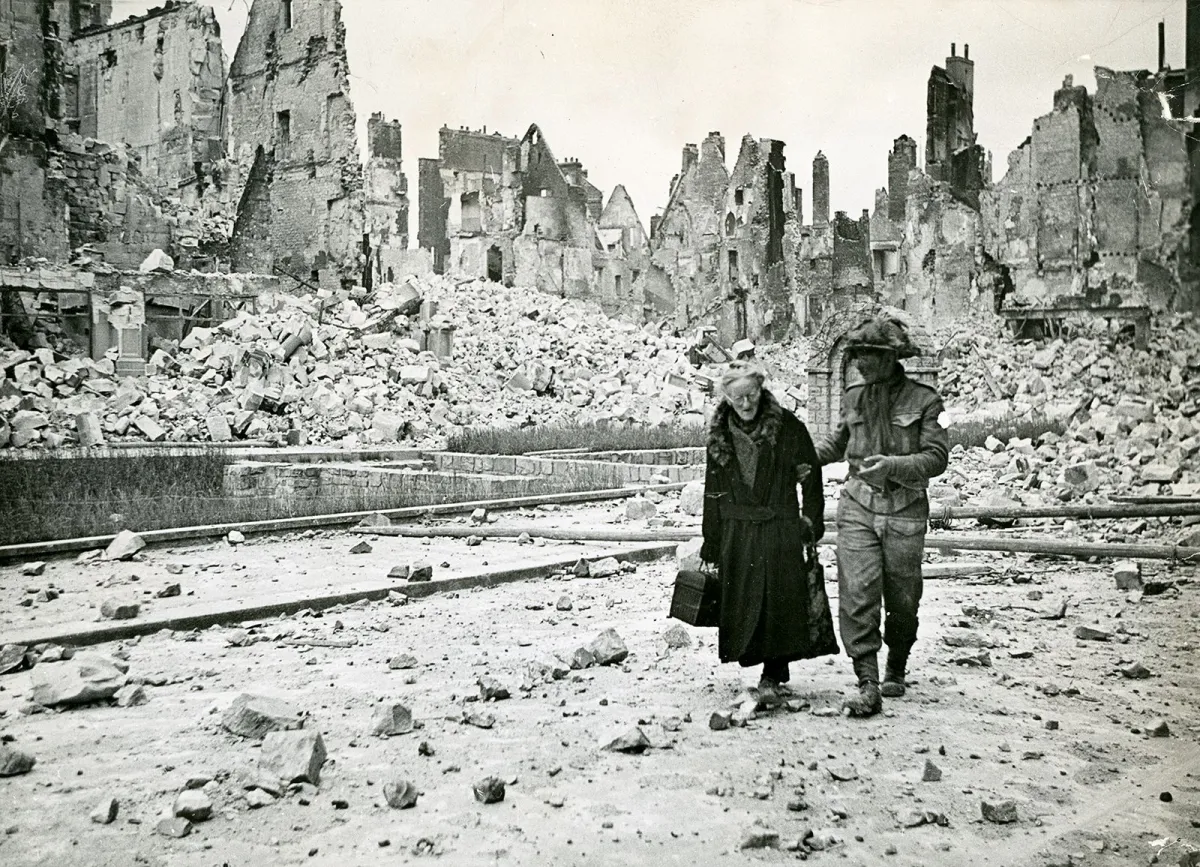 Photo: World War II, via cdn.britannica.com
Vaccination campaigns through the 1950s and 60s wiped out polio — a disease that had paralyzed or killed tens of thousands of American children annually, including a future president. Parents who had kept their kids home from public pools every summer out of genuine fear watched that fear simply evaporate.
Surgical technique improved. Anesthesiology became a specialized discipline. Blood transfusions became safe. Intensive care units were developed. Imaging technology — X-rays, then CT scans, then MRIs — gave doctors the ability to see inside the body without cutting it open.
Each decade brought something new. Each innovation quietly removed another thing from the list of things that could casually kill you.
The World We Live In Now
Today, urgent care clinics sit in strip malls between coffee shops and nail salons. You can walk in with a broken finger on a Sunday afternoon and leave with an X-ray result and a splint within an hour. Same-day surgeries that once required week-long hospital stays are now outpatient procedures. Appendectomies, gallbladder removals, knee repairs — you're home by dinner.
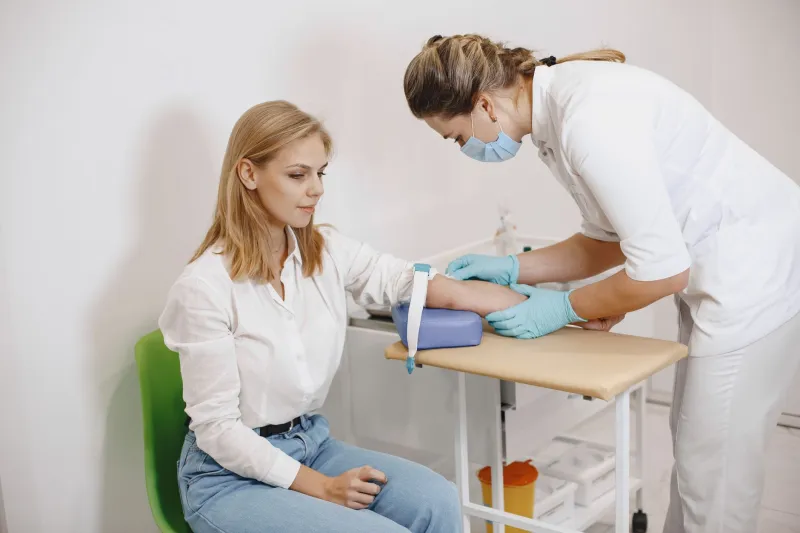
At-home diagnostic kits test for strep throat, COVID, flu, and pregnancy. Wearable devices monitor heart rhythms continuously. Telehealth means you can speak to a doctor from your couch at 10 PM without driving anywhere.
The average American life expectancy in 1900 was around 47 years. Today it's closer to 77. That gap isn't entirely explained by medicine, but medicine is a massive part of the story.
What We Forget When We Google Our Symptoms
There's something worth sitting with here. When you Google a symptom and feel vaguely annoyed that you have to wait three days for a doctor's appointment, you're experiencing a frustration that would have been completely incomprehensible to your great-grandparents. Their version of that frustration was watching someone they loved develop a fever and knowing there was almost nothing anyone could do about it.
We haven't just gotten better at treating illness. We've fundamentally changed what it feels like to be a human body moving through the world. The low-level terror that shadowed everyday life for most of human history — the awareness that a bad fall, a deep cut, or a fever in a child could spiral into catastrophe — has been so thoroughly removed from modern American life that we've forgotten it ever existed.
Next time you're sitting in an urgent care waiting room, mildly irritated about the wait, remember: the fact that you're sitting there at all, expecting to be fixed, is one of the most remarkable things about being alive right now.