How different things really used to be

The Now & Then

How different things really used to be

Latest Articles

The Yellow Pages Were Your Search Engine. And Most Americans Were Experts at Using Them.
Travel

The Yellow Pages Were Your Search Engine. And Most Americans Were Experts at Using Them.

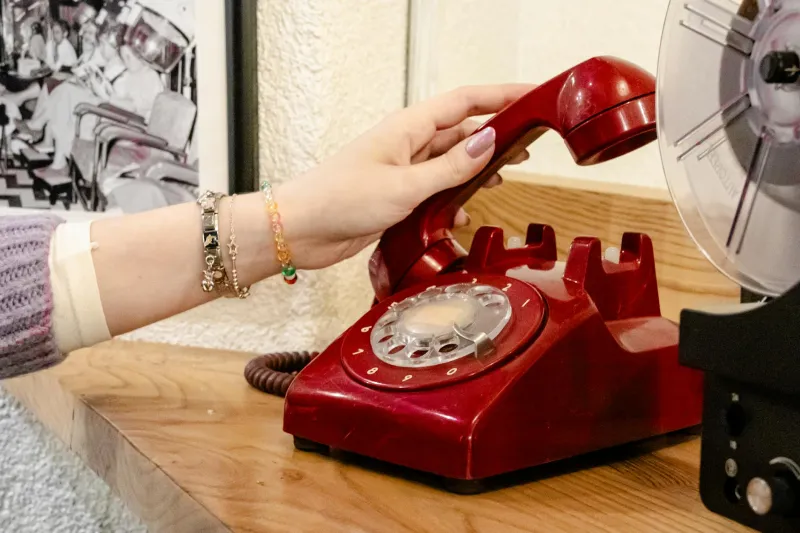
Before Google existed, before Yelp, before your phone knew where everything was, the Yellow Pages and White Pages were the primary tools Americans used to navigate their own country. People developed real skills around using them—and those skills have almost entirely vanished.

How a Doctor Figured Out What Was Wrong With You in 1955 — And Why That Process Is Almost Unrecognizable Today
Health

How a Doctor Figured Out What Was Wrong With You in 1955 — And Why That Process Is Almost Unrecognizable Today

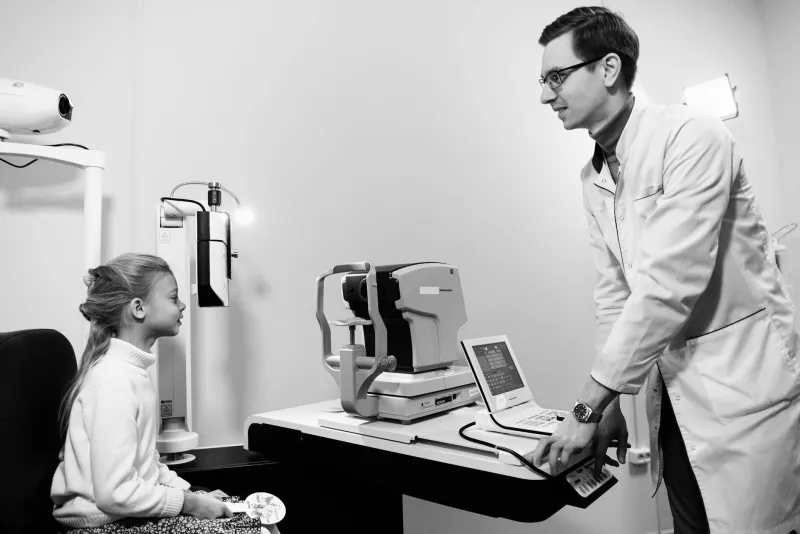
For most of American history, diagnosing illness was educated guesswork — a doctor with a stethoscope, a notepad, and not much else. The distance between that world and today's AI-assisted imaging, wearable biosensors, and same-day lab results is one of the most dramatic transformations in modern life.

When Flying Was a Big Deal — And Not in a Good Way
Travel

When Flying Was a Big Deal — And Not in a Good Way

Before budget airlines and mobile boarding passes, catching a flight meant calling a travel agent, dressing up, and arriving at the airport half a day early. The story of how air travel went from an elite ritual to something you can book from your couch in under two minutes is wilder than you'd expect.

The Supermarket Didn't Always Have 40,000 Products — And Shopping Was a Completely Different Experience
Finance

The Supermarket Didn't Always Have 40,000 Products — And Shopping Was a Completely Different Experience

Your grandparents' weekly grocery run looked almost nothing like yours. Smaller stores, seasonal produce, and a personal relationship with the guy behind the counter defined American food shopping for most of the 20th century. Here's what changed, what we gained, and what quietly disappeared along the way.

A House Cost $17,000 in 1970. Here's What That Number Actually Means Today.
Finance

A House Cost $17,000 in 1970. Here's What That Number Actually Means Today.

The median American home sold for around $17,000 in 1970. That figure sounds almost fictional now — but the real story isn't just about inflation. It's about how housing transformed from shelter into a financial asset, and what that shift has cost younger generations.

We Fought Hard for the 40-Hour Workweek. Then We Quietly Gave It Back.
Finance

We Fought Hard for the 40-Hour Workweek. Then We Quietly Gave It Back.

A century ago, American workers routinely clocked 60 hours or more every single week. Labor movements changed all that — but the story of what we did with the extra time is more complicated than it looks.

Your Grandfather's Road Trip Was a Two-Week Ordeal. Yours Is a Long Weekend.
Travel

Your Grandfather's Road Trip Was a Two-Week Ordeal. Yours Is a Long Weekend.

Driving from New York to Los Angeles in the 1950s meant navigating unpaved roads, unreliable maps, and towns that simply didn't want you stopping. Here's what the open road actually looked like before the interstate changed everything.

The Pension Is Gone. So Is the Retirement Your Parents Had.
Finance

The Pension Is Gone. So Is the Retirement Your Parents Had.

A generation ago, retiring comfortably in America was something millions of workers could count on almost automatically. Company pensions, affordable healthcare, and Social Security formed a reliable three-legged stool. That stool has been quietly dismantled — and most people haven't fully reckoned with what replaced it.

Life Before Search Engines: The Surprisingly Ingenious Ways Americans Used to Find Things Out
Health

Life Before Search Engines: The Surprisingly Ingenious Ways Americans Used to Find Things Out

Before Google existed, not knowing something wasn't a temporary inconvenience — it was often just the end of the story. The systems Americans built to find answers were surprisingly elaborate, and the way people related to knowledge was fundamentally different. Here's what we've actually left behind.

The Road Trip That Could Kill You: How Driving Coast to Coast Went From Ordeal to Adventure
Travel

The Road Trip That Could Kill You: How Driving Coast to Coast Went From Ordeal to Adventure

In the 1920s, driving from New York to Los Angeles wasn't a vacation — it was a survival mission. Unpaved roads, no gas stations, and zero reliable maps turned a cross-country drive into a weeks-long gamble. Here's how completely the American road trip has been reinvented.

From Waiting Rooms to Wrist Monitors: How Americans Went From Knowing Almost Nothing About Their Health to Knowing Almost Everything
Health

From Waiting Rooms to Wrist Monitors: How Americans Went From Knowing Almost Nothing About Their Health to Knowing Almost Everything

Not long ago, finding out something basic about your own body meant scheduling an appointment, waiting days for lab results, and hoping your doctor explained things clearly. Today, your watch tracks your heart rhythm, a $12 test tells you if you have the flu, and AI can flag abnormalities in a scan before a physician even looks at it. The transformation is more dramatic than most people realize.

Gold Watch, Gone: How Your Grandparents' Retirement Became Something Completely Unrecognizable
Finance

Gold Watch, Gone: How Your Grandparents' Retirement Became Something Completely Unrecognizable

For the generation that retired in the 1970s, the deal was simple: work for 30 years, collect your pension, and let Social Security handle the rest. That deal is gone. Here's how retirement in America became one of the most stressful financial challenges of modern life — and why so many people are working well into their 70s.

The Road That Ate Your Summer: How Driving Across America Went From a Month-Long Ordeal to a Long Weekend
Travel

The Road That Ate Your Summer: How Driving Across America Went From a Month-Long Ordeal to a Long Weekend

Before the interstate system existed, driving from New York to Los Angeles wasn't a vacation — it was an expedition. Here's how a single piece of legislation in 1956 fundamentally shrank the United States and turned the great American road trip into something ordinary people could actually do.